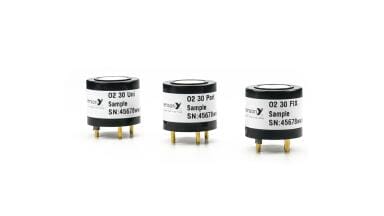
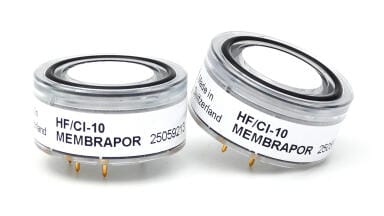
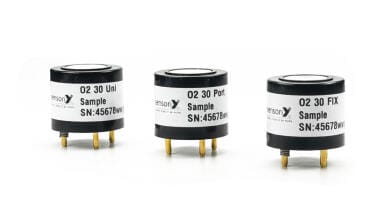
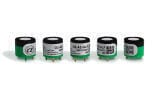
With a PID (Photo Ionisation Detector) the sample gas is exposed to deep
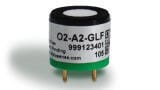
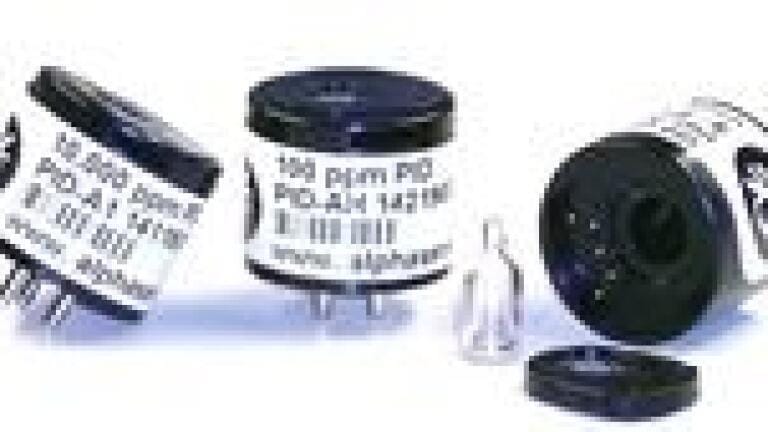
ultraviolet light from a lamp. The emitted light ionises targeted gases in the sample so they can be detected by the gas detector and reported as a concentration (ppb or ppm). The Alphasense PID can be installed in portable and stationary gas monitors that accept either Alphasense Ltd CH-A3 or other manufactures compatible pellistor cells. Thus providing complete PID capability in a package that has the same dimensional and electrical profile as Pellistors (providing the electronics input circuit is designed to take the sensor’s output range). This opens up an incredible variety of environmental and safety applications in industrial, commercial and residential markets.
The Alphasense PID sensor is offered in two models. They are virtually insensitive to humidity changes, providing unparalleled performance in a variety of applications. PID-A1 has a linear dynamic range of 50-ppb to 6,000-ppm (Isobutylene). PID-AH has a linear dynamic range of 5-ppb to 50-ppm (Isobutylene). The Sensors include a Detector with 10.6eV Lamp, Lamp Driver, Amplifier Circuitry, Removable and Replaceable Electrode Stack & Particulate Filter.

 Product directory