
Air sensors
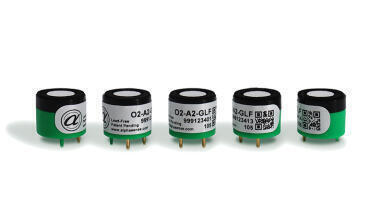
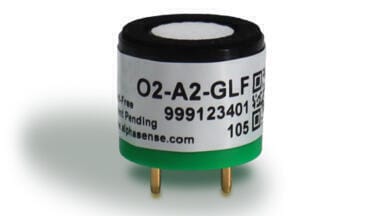
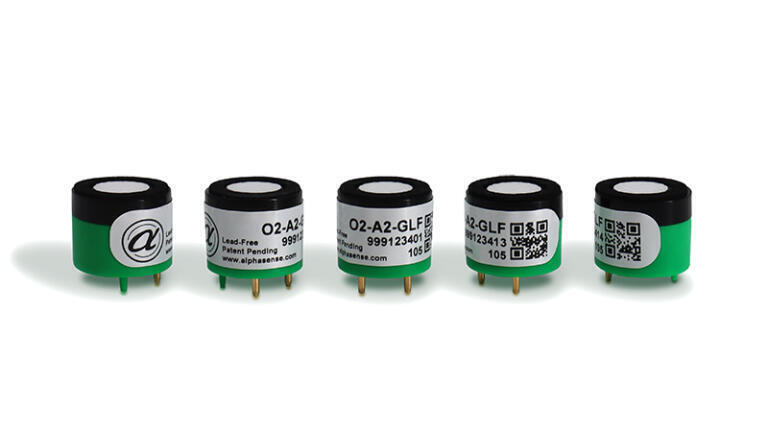
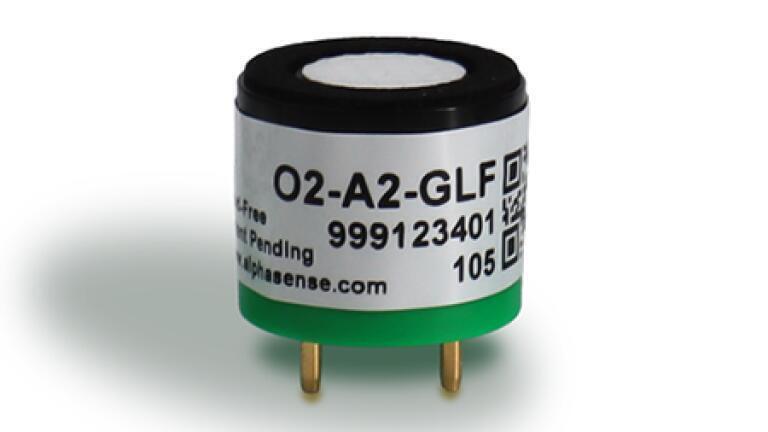
In safety-critical environments, accurate oxygen measurement is not optional - it’s essential. For manufacturers of gas monitoring equipment, delivering reliable performance under diverse conditions is a constant challenge. The new galvanic lead-free oxygen sensor (O2-A2-GLF) is engineered to help meet these demands with a design that prioritises compliance, longevity, and integration flexibility.
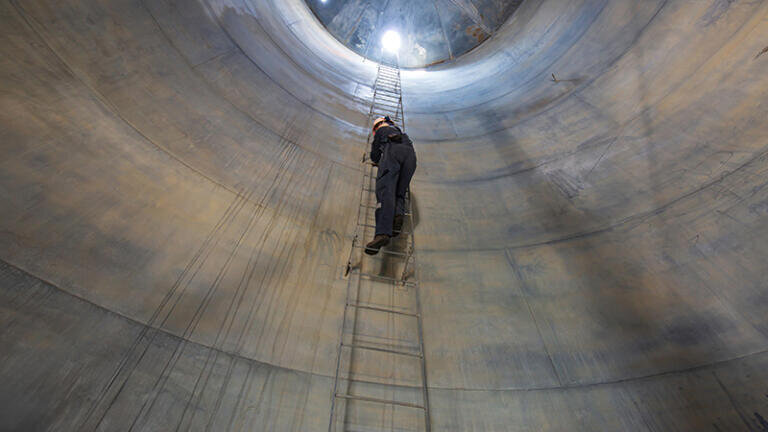
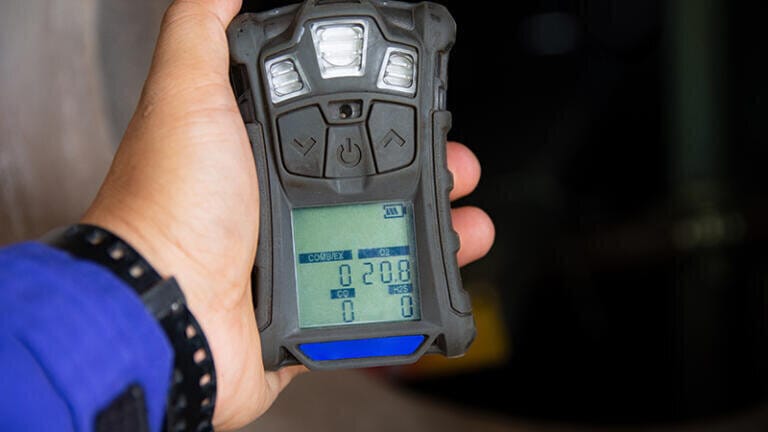
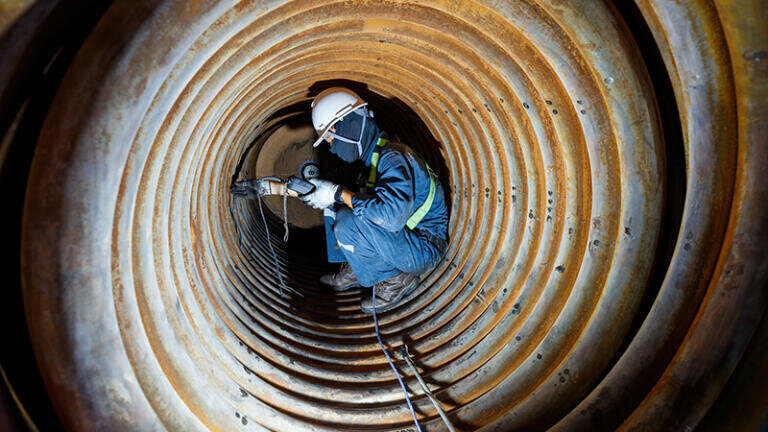
Oxygen levels play a pivotal role in workplace safety. Too little oxygen can lead to asphyxiation risks, while too much can increase fire hazards. Industries such as confined space entry, chemical processing, and mining rely on portable and fixed gas monitors to keep workers safe. For device manufacturers, this means sensors must provide accurate readings across a wide range of conditions; maintain stability over extended service life; comply with environmental and safety regulations; and integrate seamlessly into compact, cost-effective instruments.
Designing gas monitoring equipment for safety applications requires balancing multiple priorities. Regulatory compliance is essential, as environmental directives such as RoHS restrict the use of hazardous substances like lead, forcing manufacturers to source compliant sensors without sacrificing performance. Extended service life is another critical factor, since end users expect devices to operate reliably for years, even in harsh environments; sensor drift or premature failure can result in costly downtime and increased safety risks. Size and integration constraints also play a major role, particularly for portable monitors that demand compact components while still maintaining high accuracy and robust performance. At the same time, manufacturers face ongoing cost pressures in competitive markets, requiring them to deliver high-quality instruments without significantly increasing production costs. Finally, sensors must be able to perform consistently despite environmental variability, including temperature extremes, humidity changes, and exposure to contaminants.
The O2-A2-GLF oxygen sensor from Alphasense addresses these challenges head-on. Built on proven electrochemical technology, it combines reliability with environmental responsibility. Key features include a lead-free design that supports compliance with RoHS and other environmental regulations while reducing concerns around hazardous waste. The sensor is engineered for long-life performance, helping to minimise maintenance requirements and replacement costs over time. Its stable output ensures accurate oxygen measurement across a wide range of operating conditions, providing dependable safety monitoring. A compact form factor allows flexible integration into both portable and fixed gas monitoring systems. The technology is proven, building on Alphasense’s established track record of robust sensor design for industrial and safety applications.
Choosing the O2-A2-GLF helps device makers overcome common design and operational challenges. Its lead-free construction provides regulatory assurance by simplifying compliance with global environmental standards. Reduced lifecycle costs are achieved through a long service life, resulting in fewer replacements and a lower total cost of ownership. The compact size and standardised interface offer strong design flexibility, making integration into a wide range of devices straightforward. Reliable safety performance is supported by stable readings that help ensure worker protection in critical environments. In addition, the product is backed by Alphasense’s global technical expertise and customer support, providing confidence throughout development and deployment.
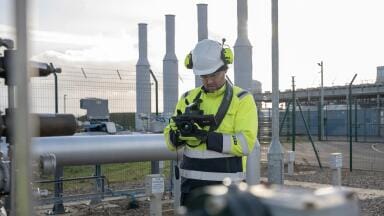
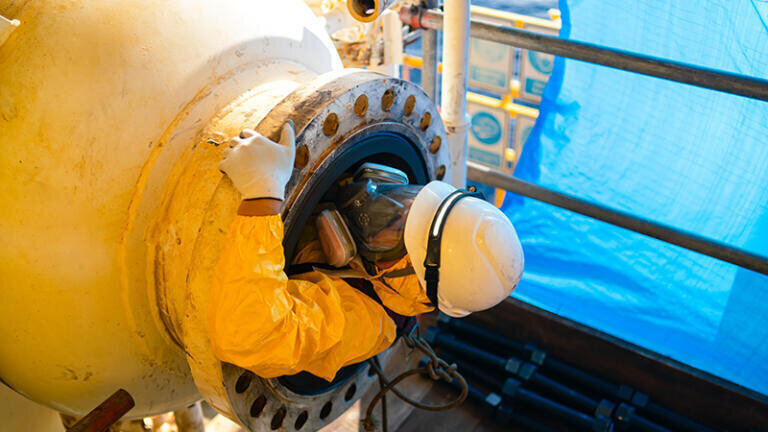
The O2-A2-GLF is ideal for a range of applications, including portable gas detectors used in confined space entry, emergency response, and industrial hygiene. It is also well suited for fixed gas monitoring systems installed in manufacturing plants, laboratories, and storage facilities. In addition, the sensor is an excellent choice for personal safety devices worn by workers in hazardous environments, where real-time oxygen readings are critical.
Historically, many electrochemical sensors used lead as part of their design. While effective, lead poses environmental and health risks. Regulations such as RoHS have accelerated the shift toward lead-free alternatives. For manufacturers, this transition is more than a compliance checkbox - it’s an opportunity to adopt sustainable technologies without sacrificing performance.
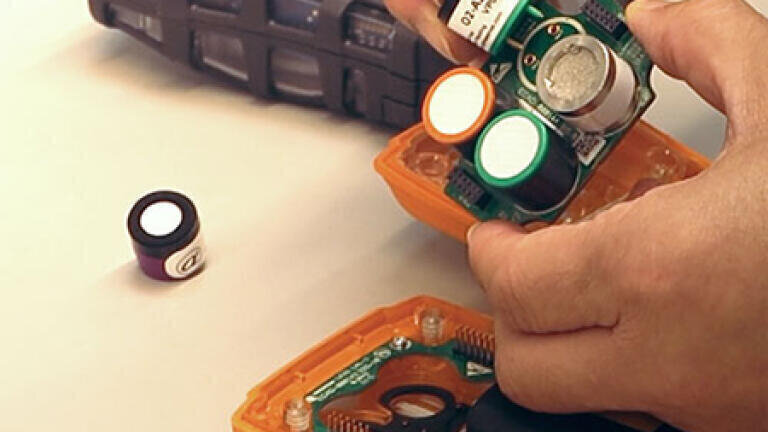
When integrating oxygen sensors into gas monitors, engineers should carefully evaluate several factors. Sensor orientation is important to ensure proper placement for optimal gas diffusion. Temperature compensation must be considered to account for environmental variations and maintain measurement accuracy. Calibration protocols should be implemented regularly to verify sensor performance over time. Power management is also critical, particularly in portable devices, where optimising for low power consumption extends operating life. The O2-A2-GLF simplifies these considerations with a design that is both robust and adaptable.
Manufacturers of gas monitoring equipment face complex challenges: regulatory compliance, reliability, cost control, and environmental responsibility. The Alphasense O2-A2-GLF oxygen sensor is engineered to help meet these demands. With its lead-free design, long-life performance, and proven leak-free technology, it provides a practical, sustainable solution for safety-critical applications.
IET Guide 2026

 Product directory