Gas analyser
Published over 2 years ago. See the latest and most current information on Gas analyser.
A recent article, published in the scientific journal ‘Earth’s Future’ examines how Munich’s famous Oktoberfest celebration affects local greenhouse gas (GHG) emissions. Professor Jia Chen, Professor & Head of Environmental Sensing and Modelling at the Technical University of Munich (TUM), and her team are evaluating the data provided.
Professor Chen’s group is globally renowned for their considerable contributions, over several years, to developing an improvement of how we understand the relationship between GHG emissions and its effects on urban environments. Long-term measurement data of levels of carbon dioxide (CO2), carbon monoxide (CO), and methane (CH4) in Munich were examined and it was clear that methane emissions rose significantly during Oktoberfest.
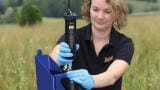
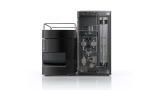
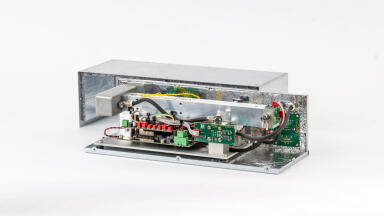
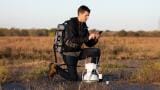
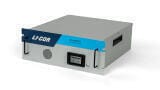
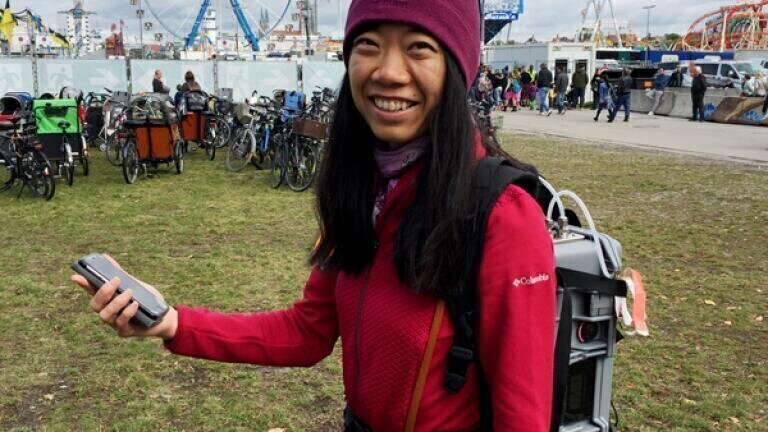
To investigate the concurrent rise in greenhouse gas levels, Professor Chen’s team monitored and recorded methane emissions and ascertained potential sources at the event. The team walked around Oktoberfest’s perimeter, measuring methane concentrations while on the move. Areas with higher methane concentrations were near a source of the emissions. This monitoring was carried out throughout the whole of the 2 week festival, for 8 – 12 hours every day. TUM researchers used trace gas analysers to find and quantify methane emissions and thereby identify the source of these emissions. Professor Chen’s team opted for LI-COR’s LI-7810 CH4/CO2/H2O Trace Gas Analyser because of its speed, precision and portability.
Professor Chen and her associates were delighted with the performance of the instrument; she stated, “The LI-COR instrument is reliable and easy to use. It is well suited for real-time measurement and monitoring,”
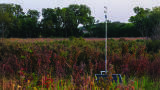
Professor Chen believes that using several different measurement techniques will enable her team to create a complete overview of the total emissions generated as a result of Oktoberfest and to pinpoint the source of these emissions. The techniques include taking total carbon column measurements, which depend on a fixed network of instruments combined with source location, which relies on more mobile methods. These measurements, combined with wind speed and direction details and GPS location data make it possible to create a comprehensive map detailing GHG levels and their possible sources.
IET Guide 2026

 Product directory