Environmental laboratory
Published over 8 years ago. See the latest and most current information on Environmental laboratory.
Mercury emissions from coal-fired power plants, waste incinerators and cement kilns are a global concern and are of increasing importance for European operators. The LCP BREF document published in 2017 now allows the use of sorbent traps for mercury monitoring.
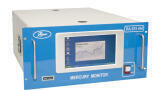
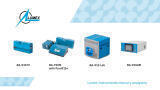
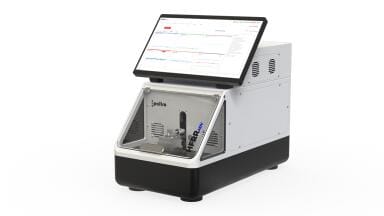
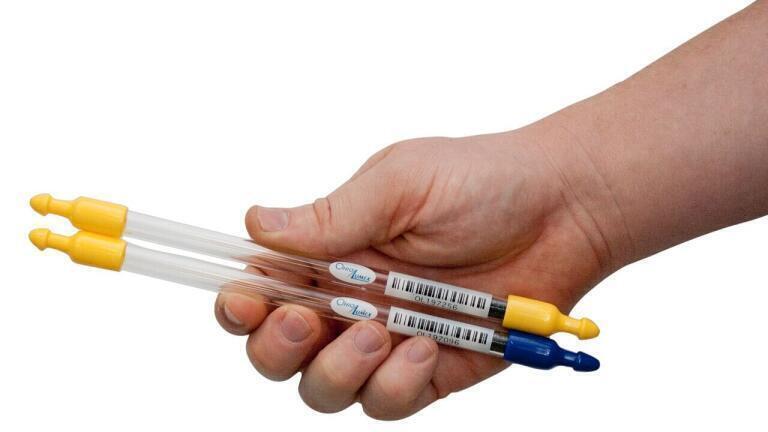
LumexAnalytics GmbH presents on booth #38 at the CEM2018 event the complete solution for monitoring mercury emissions using sorbent traps. This is ideal (especially at the challenging 1µg/m3 level) for short-term monitoring, CEM performance verifications, studies for mercury control technologies and as an alternative to the EN 13211 method.
For many sources the sorbent trap method will be both simpler and more cost effective for continuous sampling. Cost savings are achieved thanks not only to lower costs of equipment compared to other monitoring technologies but also thanks to drastic reduction of the labour costs required to install, operate and maintain a sorbent trap system.
The method has a successful 12 year record; it is accredited by the US EPA and is widely used by hundreds of US customers.
A range of sorbent traps from the market leader OhioLumex is available for various applications, including speciation traps for determination of the ratio of oxidized and elemental mercury.
IET 36.5 Sept/Oct 2026




 Product directory