Environmental laboratory
Published over 8 years ago. See the latest and most current information on Environmental laboratory.
At the beginning of the month, the UK and Ireland were both hit by the so-called Beast from the East, a storm of freezing winds coming from the north east and caused, scientists believe, by a polar vortex. At the same time, the Arctic is enjoying temperatures far higher than what is normal for this time of year in the region.
As a result, there were several days at the beginning of March when Europe was actually colder than the North Pole. Despite the fact that the UK (especially Scotland) was ravaged by freezing temperatures and snowfall, the coldest weather was recorded in southern Norway, where a low of -42°C occurred.
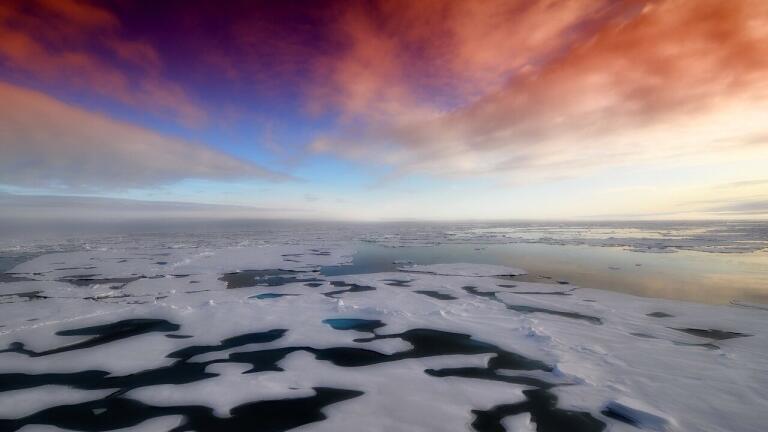
By contrast, the North Pole has been experiencing something of a heatwave over the last few years. In December 2016, the region came close to reaching melting point, peaking at -1°C. For comparison, it should be known that it’s normally between -25°C and -30°C, so that represents a significant increase.
This March, that record was blasted out of the water. A weather station in the north of Greenland recorded temperatures above 0°C for over 24 hours, while the warmest single temperature was 2°C. Remember we are still technically in winter, and the Arctic remains in a perpetual state of darkness.
The Indian summer enjoyed by the Arctic is, regrettably, a sign of the times. The amount of ice surrounding the Arctic has been falling since the 1970s and its increasing decline over recent years has caused concerns that it may disappear entirely. The melting of the ice is caused by global warming, which 97% of scientists agree has been brought about by human activity.
The problem is a self-perpetuating one, as well. As more ice melts, sea levels rise and greenhouse gases (GHGs) are released into the atmosphere, thus increasing global temperatures even more and exacerbating climate change. In fact, a recent field warming experiment in the Arctic found enhanced nitrous oxide (NOx) emissions, proving that the issue is only set to deteriorate going forwards.
Meanwhile, Europe was battered by its coldest temperatures in decades. The two phenomena are, apparently, linked. The weakening of the polar vortex caused it to split into two components, with one drifting across the continent and bringing with it an abundance of inclement weather.
One scientist has explained the relationship by comparing it to a household fridge. With the fridge door closed, its contents remain cold while the house is warm… but once the door is opened, cold air seeps out – while warm air seeps in. As a result, the global house is becoming unprecedentedly and irreversibly warmer.
IET 36.5 Sept/Oct 2026





 Product directory