Environmental laboratory
Published over 15 years ago. See the latest and most current information on Environmental laboratory.
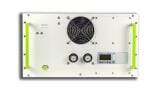
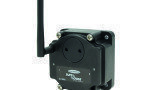
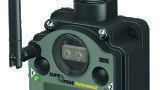
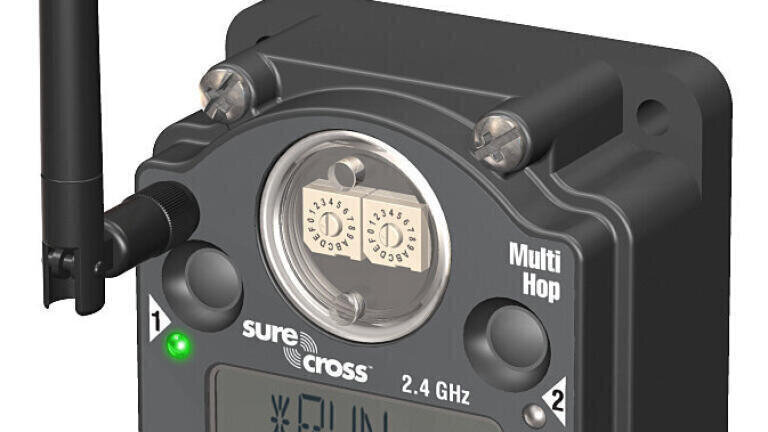
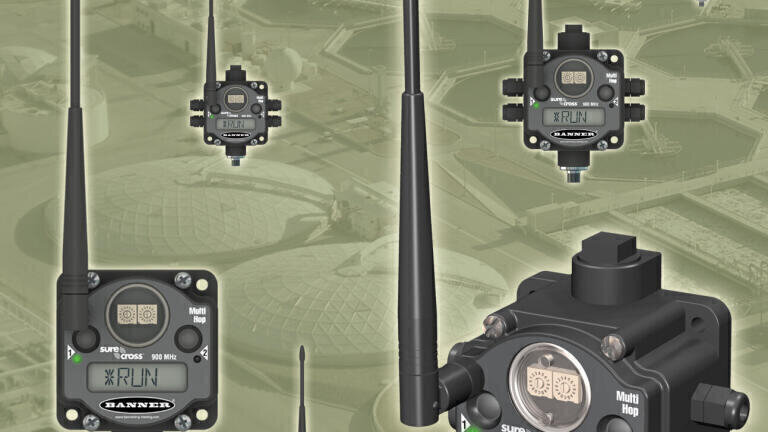
The new Multi-Hop Data Radio from Banner Engineering (Belgium) extends the reach of the company’s SureCross wireless systems by repeating transmissions in 3 km ‘hops’ to a multi-hop total of 20 km or more. Multiple units can be placed to allow signals to pass over hills and other obstacles that would block a single wireless hop.
The Multi-Hop Data Radio can be used to connect a wide variety of field devices directly, including PLC’s, Controllers, HMI’s, DCS’s, transmitters, level, pressure and temperature sensors. It allows extension of the widely used Modbus communication protocol to many applications where wiring is impractical because of distance or accessibility. It can also be connected with digital, analog or temperature signals using other Banner wireless products.
Applications for the multi-hop data radio include; irrigation , water & wastewater treatment, facilities monitoring and chemical processing.
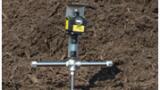
The large wireless networks enabled by the new radio provide previously unavailable information to users in a wide range of industries. In Irrigation, soil moisture can be measured, zone valves can be operated and flow rate measured. More traditional applications include tank level, pressure, flow and temperature monitoring in a variety of markets.
Using the Multi-Hop Data Radio, clusters can be combined and connected to create systems with 2,400 wireless points, covering over 100 square kilometers. For even larger systems, multiple wireless networks can co-exist in the same physical area without interference.
The radios are configured for rapid, easy connection to all remote and central control elements in a network. They can be powered by 10-30 VDC, battery or solar power supply, allowing wireless repeaters to be placed where no power is available.
IET 36.5 Sept/Oct 2026




 Product directory