Drinking water
Published over 7 years ago. See the latest and most current information on Drinking water.
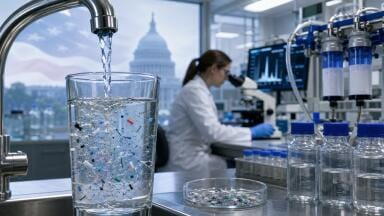
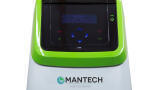
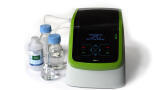
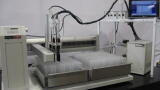
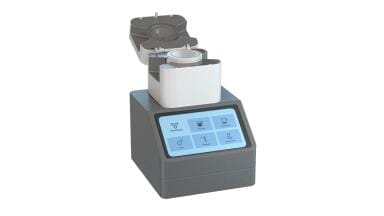
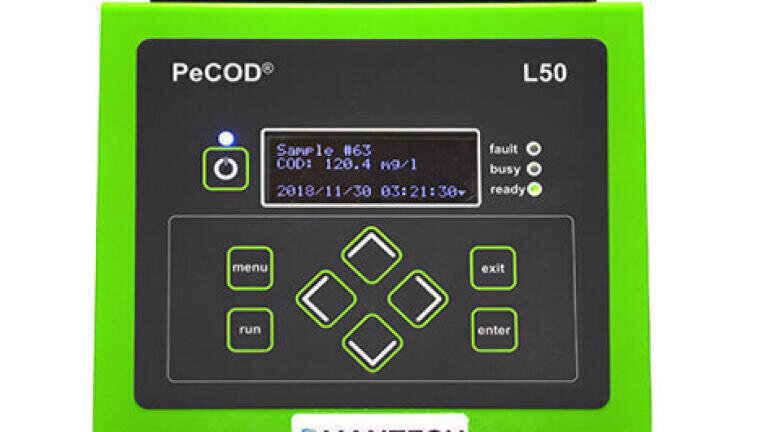
Health Canada has released a Proposed Guidance on Natural Organic Matter (NOM) in Drinking Water. For the first time, Chemical Oxygen Demand (COD) has been listed as a parameter for monitoring and treating NOM. The peCOD method, developed by Mantech, is referenced as it provides the sensitivity applicable for source and treated drinking waters. peCOD follows ASTM international Method D8084 offering the advantage of measuring reactivity or oxidisability. The EU lists oxidisability with a water quality limit of 5ppm in treated drinking water, however, the costly, time consuming and hazardous permanganate method is referenced. peCOD COD generates results in 3-5 minutes with a safe and simple method. It provides valuable information that is different than TOC/DOC and UV254; useful for event detection, optimized coagulation and DBP formation potential. For example, it was reported that the reactivity of the raw water for Winnipeg, Manitoba, (DOC = 7.9 mg/L) was approximately half that of Repentigny, Quebec, (DOC = 7.1 mg/L) resulting in higher DBP’s for Repentigny. peCOD provides a quick, accurate method for determining reactivity that both laboratories and plant operators can utilize. In the treatment plant directly, operators can utilize the peCOD 24/7 testing incoming and multiple treatment points.
IET 36.5 Sept/Oct 2026


 Product directory



.jpg)