Drinking water
Per‑ and poly‑fluoroalkyl substances (PFAS) – a diverse family of fluorinated molecules used to make products heat‑, water‑ and grease‑resistant – are becoming a regulatory headache.
PFAS rely on one of the strongest bonds in organic chemistry, the carbon–fluorine bond, which makes them extremely stable and means they accumulate in the environment and people.
Although only a handful of PFAS such as PFOA and PFOS have been widely studied for toxicity, thousands of related chemicals exist, and some have been linked to cancer, fertility problems and immune‑system disruption.
Environmental chemists warn that the true scale of PFAS pollution is hard to judge because the class is so broad.
Estimates indicate more than 4,700 substances meet the Organisation for Economic Co‑operation and Development’s (OECD) definition of a PFAS, the US CompTox database lists over 10 000 PFAS and a recent analysis of the 115‑million‑compound PubChem database suggests more than seven million structures could qualify.
Current targeted analytical methods only quantify between 18 and 60 PFAS and leave the vast majority invisible to routine.
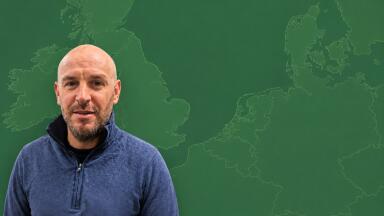
Dr Alexandra Richardson of Imperial College London leads the Investigating the Toxicological Assessment of PFAS (ITAPS) project.
In an interview ahead of the study, she highlighted a major blind‑spot: while UK water companies routinely monitor treated water leaving their plants, no systematic testing is done at the household tap.
“There are guidelines for what PFAS levels are suitable once it leaves the drinking‑water treatment plant, but there’s a lot of piping between the treatment plants and our kitchen taps,” Richardson explained.
To fill that gap, her team sent sampling kits to volunteers across London, inviting them to collect small bottles of tap water and return them by post.
The participatory approach drew a high response rate and allowed the researchers to analyse tap water from almost every London borough.
Direct‑injection mass spectrometry was used to screen each sample for 45 PFAS.
The method traded some sensitivity for reduced contamination risk – only millilitres of water were needed rather than litres – making it logistically feasible for postal returns.
Overall, thirteen PFAS were detected and ten were quantifiable, with concentrations generally in the low nanogram‑per‑litre (parts‑per‑billion) range.
The highest sample measured around eight nanograms per litre; most were nearer three nanograms per litre.
These concentrations sit well below the UK Drinking Water Inspectorate’s (DWI) lowest‑risk tier, which requires utilities to keep individual PFAS under 0.01 µg L⁻¹ (10 ng L⁻¹) and to start more intensive monitoring when levels exceed that threshold.
For context, the DWI introduced an aggregated cap in August 2024 that requires the sum of 48 named PFAS to remain below 0.1 µg L⁻¹ (100 ng L⁻¹).
Spatial analysis of the London dataset showed only minor variation between boroughs, with all samples falling below 15 ng L⁻¹.
Using risk‑assessment methods adopted by the European Food Safety Authority (EFSA), Richardson estimated that Londoners’ average weekly intake of PFAS from tap water was about 0.9 ng kg⁻¹ body weight, with the highest observed intake around 3.3 ng kg⁻¹.
These estimates are comfortably lower than EFSA’s group tolerable weekly intake of 4.4 ng kg⁻¹ week⁻¹ for the sum of four well‑studied PFAS (PFOS, PFOA, PFNA and PFHxS).
Richardson cautioned, however, that drinking water represents only one exposure pathway; PFAS also enter the body via food, household dust and consumer products.
A temporal sub‑study tracked three households in south‑east England over a month.
Two households showed stable PFAS concentrations around two nanograms per litre.
The third exhibited elevated levels during the first ten days that subsequently fell.
The cause remains unclear because information about the water supply (for example, whether the home switched between groundwater and surface water sources) was not available at the time of the presentation.
PFAS contamination often originates from unexpected sources.
Richardson’s study underscores that even utilities not directly handling PFAS can deliver trace amounts at the tap, as the chemicals leach from fluorinated process aids, coatings, gaskets and lubricants and can also be present in recycled materials and industrial runoff.
Regulatory frameworks are tightening.
The EU Drinking Water Directive imposes a collective limit of 100 ng L⁻¹ for twenty PFAS.
England and Wales currently follow DWI guidance, which uses a three‑tier system; concentrations below 0.01 µg L⁻¹ (10 ng L⁻¹) require routine monitoring, those between 0.01 µg L⁻¹ and 0.1 µg L⁻¹ (100 ng L⁻¹) trigger proactive risk‑reduction strategies, and any exceedance of 0.1 µg L⁻¹ demands emergency action.
The Royal Society of Chemistry has called on the UK government to go further by legislating a 10 ng L⁻¹ cap per individual PFAS and a 100 ng L⁻¹ aggregate cap.
Despite reassuringly low PFAS levels in London’s tap water, Richardson argued that continued vigilance is essential.
She highlighted that the study targeted only 45 PFAS – a tiny fraction of the thousands of known compounds – and recommended expanding surveillance to include non‑targeted methodologies that measure total organofluorine.
A recent broad‑spectrum method comparison conducted for California’s State Water Resources Control Board found that the PubChem database contains more than seven million compounds with at least one fully fluorinated carbon, yet routine analytical methods quantify dozens at most.
Richardson also urged regulators to improve public communication on chemical contaminants and to support research on domestic filtration devices.
As “forever chemicals” move from abstract environmental worry to measurable constituents in tap water, this citizen‑science project illustrates both the power of community engagement and the need for comprehensive PFAS monitoring.
IET 36.5 Sept/Oct 2026



 Product directory




.jpg)