Gas detection
Published over 13 years ago. See the latest and most current information on Gas detection.
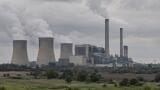
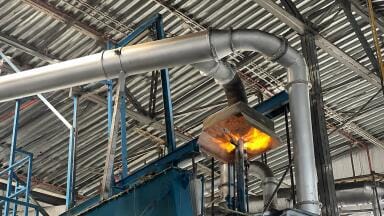
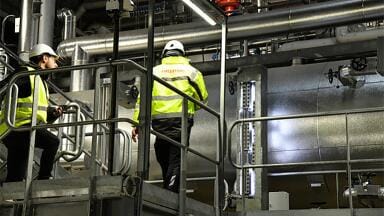
IVLA is the second largest Steel mill located in the depths of southern Italy. A number of recent deaths from cancer and respiratory failure have been attributed to the effluent released from the factory, threatening its long term future. A rapid solution was needed to reduce emissions and clean up the plant including stricter monitoring of the effluent it produces.
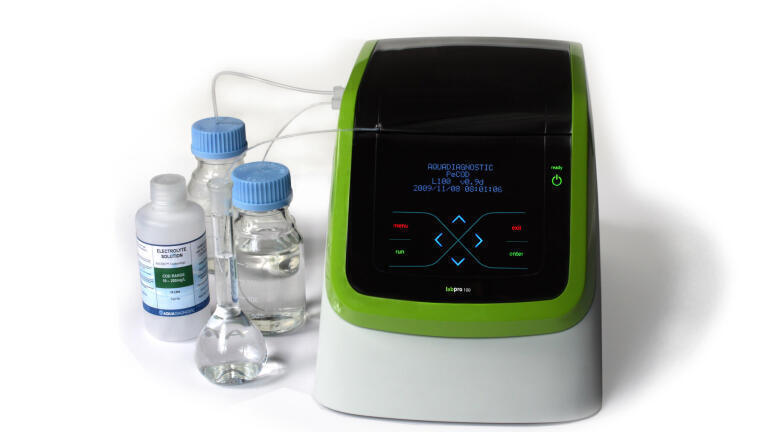
TOC would not work in this waste stream as it does not provide the correct information to assess how lethal the waste really is to health. Conventional methods of assessing water quality utilising Chemical Oxygen Demand (COD) using Dichromate can take up to 3 hours to obtain the results. In response to the urgency for improved detection times within the Steel Mill, Mantech Inc, (UK) have successfully installed a PeCOD system into the mill.
PeCOD consists of a UV activated nano particulate titanium dioxide photo catalyst coupled to an external circuit. Results are available in 6-10 minutes, giving huge advantages over the conventional method of detection. The Mantech PeCOD system costing less than a family car will save millions in the future and serve to protect human lives in the surrounding region of southern Italy close to the Mill.
IET 36.5 Sept/Oct 2026


 Product directory




.jpg)