Leak detection
The draft was reported between 11 and 14 September 2026.
It has not been formally proposed, and its final content may change before any publication in the Federal Register.

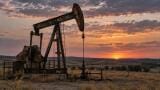
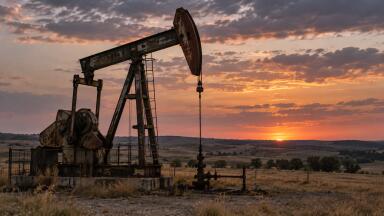
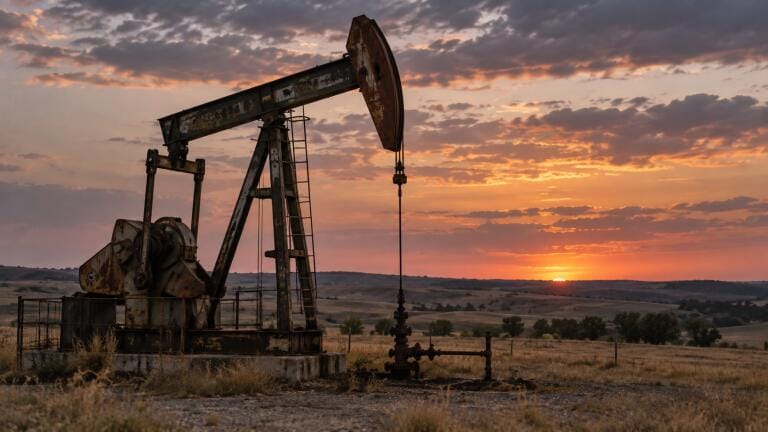
Stripper wells are generally defined as those producing up to 15 barrels of oil equivalent per day.
Under the draft, operators would face significantly reduced leak inspection frequency and equipment-upgrade obligations at these sites.
The draft would also eliminate the Methane Super Emitter Program.
This requires operators to respond to large, verified release events flagged by third-party monitoring under the existing 2024 methane rule.
The EPA had valued that 2024 rule’s climate, health and energy benefits at more than $7bn a year.
The new proposal is projected, according to the draft reviewed by reporters, to save industry around $42bn through 2050.
Stripper wells collectively account for around 6 per cent of US oil and natural gas output.
Despite this small share of production, studies cited in current reporting link them to roughly half the oil and gas sector’s methane emissions.
This disproportion is attributed to ageing, thinly monitored infrastructure. Older, marginal wells are more prone to leaking than newer, higher-output installations.

The changes follow petitions from the Independent Petroleum Association of America and the National Stripper Well Association, among other industry groups.
These groups argued that compliance costs under the existing rule risked forcing low-producing wells to shut down entirely.
The EPA’s press office has confirmed the methane rule revisions are under OMB review. It has declined to comment on their substance.
IET Guide 2026

 Product directory