.jpg)
Drinking water
Published over 5 years ago. See the latest and most current information on Drinking water.
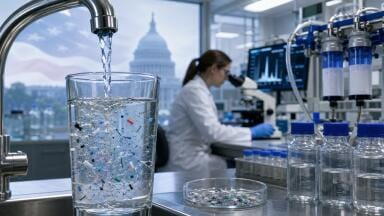
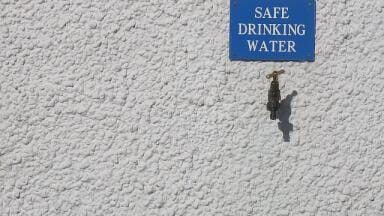
In the UK, we are very fortunate to have access to some of the cleanest drinking water found anywhere in the world. However, not everyone is as lucky. In 2017, 71% of the global population had access to a safely managed source of drinking water on their own premises, which appears to be an impressive statistic in isolation – especially in comparison to the water poverty suffered by developing nations in the past.
However, this does mean that there are still at least two billion people worldwide who are using an unsafe source of drinking water. For some, that means access to infrastructure that is inadequately managed, but for others, it simply entails drawing water from unprotected wells, springs or even groundwater. Here’s a closer look at the issues that have yet to be overcome, the ramifications they can have and the technologies – which are already being adopted in some parts of the world – which must be adopted to solve them.
According to the World Health Organisation, 5.3 billion people in the world had access to improved water services free from contamination on their property. However, that left 2.2 billion people who did enjoy this basic human right. Breaking that figure down even further, we can find that:
While the vast majority of those unfortunate people live in the developing world, there remain sharp inequalities between populations in even the most developed economies. That divide can manifest itself in urban vs rural areas, but also affluent vs impoverished ones.
Drinking dirty water isn’t just unpleasant – it can have tangible and serious impacts on health. Poor sanitation and contaminated drinking water have been linked to the contraction and transmission of a whole host of diseases, including diarrhoea, dysentery, typhoid, cholera, polio and hepatitis A. The former is a particularly concerning ailment, with an estimated 829,000 people losing their lives to diarrhoea each year – despite it being a largely preventable disease.
Meanwhile, the lack of clean water at hospitals, clinics and other healthcare institutions puts the welfare of both patients and doctors at risk. It’s estimated that around 15% of patients across the globe develop a further infection while receiving treatment due to being exposed to unclean water.
Obviously, it’s incumbent upon richer nations to address water inequality not only within their own borders, but in their impoverished counterparts, as well. The best way to ensure that all water used by the human race – whether for drinking, cleaning or cooking purposes – is safe and hygienic is to implement the necessary infrastructure.
Smart water systems are one technologically advanced and highly efficient way of doing so. By placing sophisticated sensors across the water infrastructure network, regulatory bodies can conduct continuous water quality monitoring and address contamination events as and when they occur. Such technologies are already in place in three cities across Europe and have shown a raft of health, economic and environmental benefits since their installation. As such, it's to be hoped that the rest of the world will follow suit and guarantee access to safe, clean drinking water for everyone.
IET 36.5 Sept/Oct 2026


 Product directory




.jpg)