Air quality monitoring
Published over 4 years ago. See the latest and most current information on Air quality monitoring.
South Coast Science were recently asked by Hutchinson Port Holdings to supply air quality monitors at the ports of Felixstowe, Harwich International and London Thamesport in the UK. These devices were chosen so each port was provided with reliable and precise data to enable self-regulation – at a reasonable price.
The UK Government’s Clean Air Strategy, stipulates that all major ports in Great Britain and Northern Ireland must develop plans to lower emissions as part of their Port Air Quality Strategy. Sulphur dioxide (SO2) is one of the most harmful chemical pollutants often found in the maritime industry. According to the International Maritime Organisation (IMO): from 2007 to 2012 approximately 11.3 million tonnes of SO2 were generated yearly by shipping.
Nitrogen dioxide (NO2) is also a critical pollutant in the form of emissions from dock-side mechanised handling equipment such as (cranes, forklift trucks and vehicles etc); particulate matter (PM) is also of concern and is ubiquitous to both onshore and offshore environments.
The UK government’s strategy to reduce emissions includes gaining a clear picture of air quality in ports and identifying baseline levels. The longer-term plan is to find ways to alleviate high pollutant concentrations.
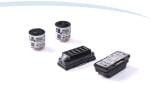
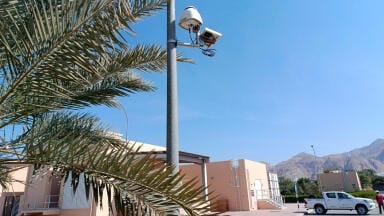
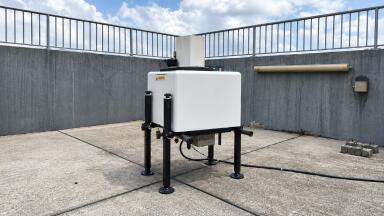
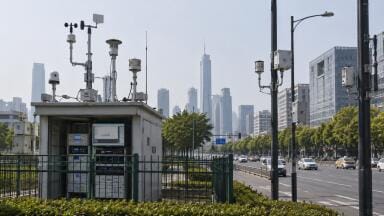
2 of South Coast Science’s Praxis/Urban instruments were installed at each of the ports to collect precise air quality data in real-time. These instruments have been configured to measure NO2, SO2, PM1, PM2.5, PM10, temperature and humidity. These devices operate using a solar power supply; they transmit data via 4G cellular communication while storing data locally as a backup.
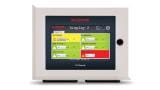
Installation was quick and easy and Praxis/Urban instruments need supervision once operating. Real-time air quality monitoring data is distributed via the Cloud and integrated with the ports’ site management facilities to enable fast decisions and reactions if needed.
Without precise information port management cannot know where and when concentrations of pollutants are above targets. Thanks to the Praxis/Urban instruments, with their accuracy independently certified to both UK and international standards, they now have a cost effective way to work out the best course of action to make the most significant contribution to lowering emission levels.
Monitoring at the 3 ports commenced in early 2022, and an update on progress towards reducing emissions will be forthcoming.
IET 36.5 Sept/Oct 2026


 Product directory




.jpg)