Air quality monitoring
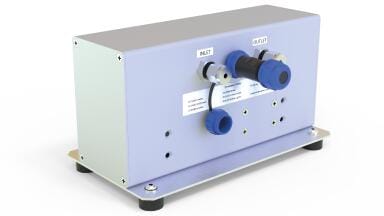
Airly today launches ‘Airly Orbital’ – a compact, low-power device with built-in GPS and cellular communications to allow mobile air quality monitoring. “Traditional air quality monitors are fixed in one location,” explains Airly CEO Wiktor Warchalowski. “But air quality does not just change all the time; it also changes spatially, so we developed Airly Orbital to provide air quality practitioners with the ability to effectively hunt for air pollution.”
Mobile air quality measurements will help identify pollution hot-spots and optimise the location of fixed monitors. Networks of Airly Orbital sensors will help refine the ongoing positioning of stationary sensors and improve the rapid detection of air quality incidents such as fires and other hazardous events.
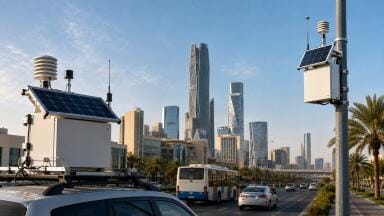
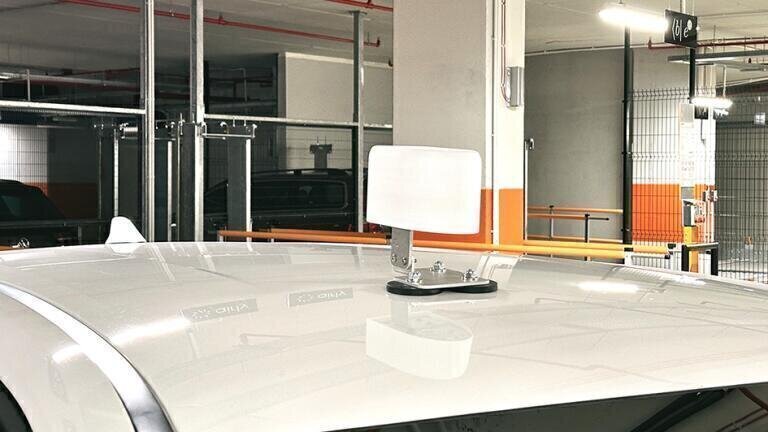
The Airly Orbital has been designed for deployment on cars, trams, or buses to measure traffic pollution. It helps optimise traffic flow and assess the impact of mitigation measures such as real-time traffic control, traffic calming, pedestrianisation, and clean air, congestion, and low emission zones.
Airly Orbital employs the same well-proven and high-performing technologies as Airly’s established air quality sensors, measuring NO2, Ozone and PM 1, 2.5 and 10, as well as temperature, humidity and pressure. However, with rapid mobile communications and a highly accurate GPS, Airly Orbital is able to undertake continuous mobile air quality measurements so that users can develop a better understanding of air quality in a town or city.
Designed for continuous operation, running on 9-24V DC, with a maximum power consumption of 2 W, Airly Orbital can run from a cigarette lighter socket or a small solar panel.
New Airly Orbital devices will be available for shipping from 2nd December 2024.
IET Guide 2026

 Product directory