Air monitoring
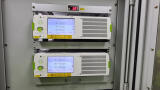
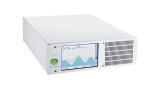
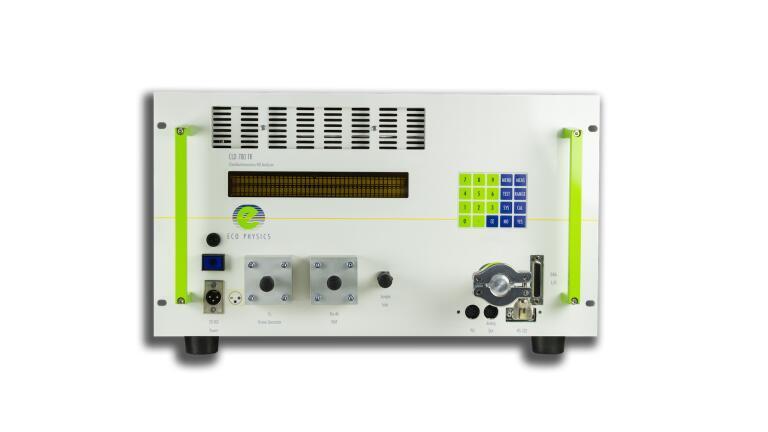
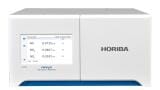
Atmospheric NO and NOy monitoring during in-flight research missions has become an essential tool for understanding the complex chemistry of the upper troposphere and lower stratosphere. The ECO PHYSICS CLD780TR analyser plays a crucial role in these measurements, offering high precision and reliability for airborne applications.
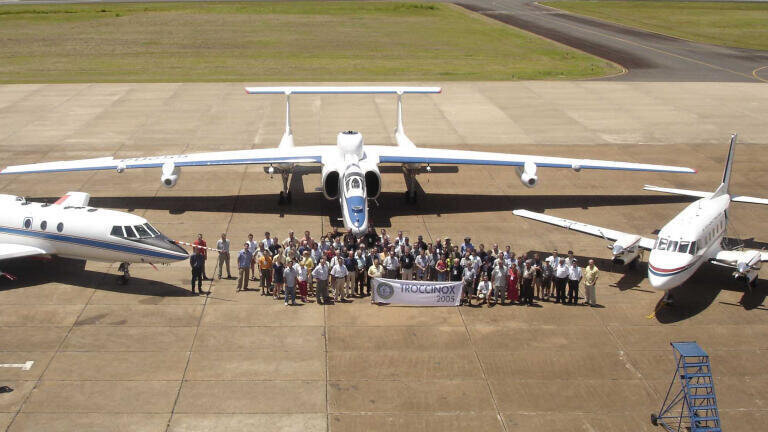
The DLR (aka German Aeronautics and Space Administration) operates a research aircraft, a twin-engine jet, which serves as an excellent platform for atmospheric measurements. Equipped with cabin-mounted trace gas instruments, including the ECO PHYSICS CLD780TR, these vessels can perform detailed analyses of NO and NOy concentrations at various altitudes. In Japan, AORI (Atmosphere and Ocean Research Institute) is currently installing a CLD780TR system, in combination with a Pure Air Generator (PAG003, for calibration purposes) and a NOy-gold converter onboard a Mitsubishi Diamond, also twin-engine powered jet. The CLD780TR utilises the chemiluminescence principle for NO detection, which is widely recognised as the most reliable method for NOx monitoring. In this process, NO reacts with ozone (O3) to produce excited NO2 molecules, which then emit light as they return to their ground state. The intensity of this light is directly proportional to the NO concentration.
The CLD780TR analyser continuously samples the air through an inlet on the aircraft's upper fuselage. It can detect large enhancements (Δ) of NO, typically between 500-4000 ppb above mean atmospheric background values of 0.6-4 ppb.
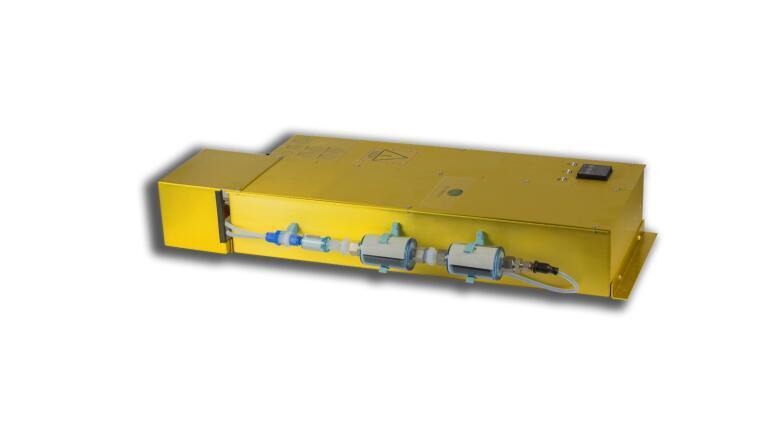
For NOy measurements, which include all reactive nitrogen oxide compounds, the CLD780TR employs a catalytic converter. This converter reduces all NOy species to NO, allowing for total reactive nitrogen quantification. The difference between NOy and NO measurements provides valuable information about the partitioning of reactive nitrogen in the atmosphere.
The high-resolution data obtained from the CLD780TR enables researchers to calculate emission indices from various sources and their distribution in the higher levels of the troposphere. The instrument's precision allows for the detection of subtle changes in NO and NOy concentrations, which can be crucial for understanding atmospheric chemistry processes and validating air quality models.
In-flight measurements present unique challenges, including rapid changes in pressure and temperature. The CLD780TR is designed to operate reliably under these conditions, maintaining its accuracy throughout the flight envelope. Researchers must also consider the potential interference from other atmospheric constituents and ensure proper calibration of the instrument before and after each flight mission. In conclusion, the ECO PHYSICS CLD780TR analyser, when integrated into research aircraft, provides invaluable data for atmospheric scientists studying NO and NOy distributions in the upper atmosphere. These measurements contribute significantly to our understanding of aviation's impact on air quality and climate, helping to inform policies and technological developments in the aerospace industry.
IET 36.5 Sept/Oct 2026



 Product directory






















.jpg)