Water/wastewater
Published over 16 years ago. See the latest and most current information on Water/wastewater.
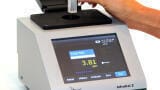
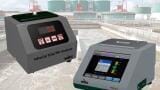
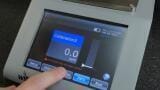
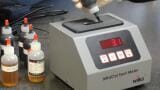
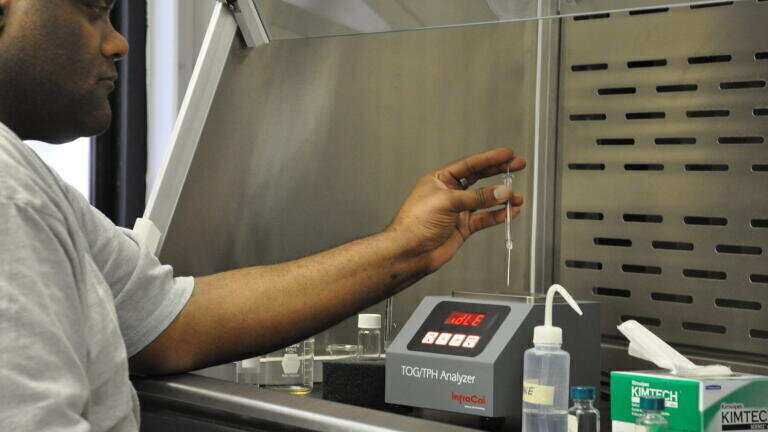
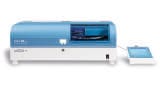
It is important to ensure that excessive levels of fat, oil, and grease (FOG) in wastewater are not being discharged. The InfraCal TOG/TPH Analyzers from Wilks Enterprise (USA) provide accurate, easy on-site analysis to help regulators and industry reduce the discharge and build up FOG in sewers. These analyzers are ideal for use by publicly operated treatment centers as it is important to locate and monitor sites that are suspected of dumping high levels of FOG into the sewer line. In addition, numerous industries need to ensure they are not exceeding their oil/grease discharge permit limits. Waiting for remote laboratory results can take several days to a week. With a simplified FOG analysis procedure using a portable mid-IR InfraCal TOG/TPH Analyzer, regulators or industrial pretreatment operators can now get on-site results in less than 10 minutes. The extraction and measurement procedure is simple enough for an operator with minimal training to do the analysis.
This type of measurement is not new as infrared measurement of oil and grease levels in produced water has been used in the petroleum industry on highly regulated off-shore and on-shore oil platforms for well over 30 years. The InfraCal TOG/TPH Analyzers are used worldwide for this particular type of measurement.
InfraCal TOG/TPH Analyzers, with a simple and quick measurement procedure, enable operators of a pretreatment system to easily assess their system’s efficiency. Plant operators can take samples before and after treatment to see how their system functions under heavy loads. System parameters can be changed if necessary and the results of the changes can be determined onsite without waiting a week or more for a laboratory result. Regulators can take samples from the source and immediately determine who is discharging high FOG concentration levels. Most importantly, effluent with high levels of FOG can be stopped before it stops the flow of the sewer line.
IET 36.5 Sept/Oct 2026


 Product directory




.jpg)










.jpg)