Water/wastewater
Published over 12 years ago. See the latest and most current information on Water/wastewater.
Most of the environmental issues related to hydraulic fracturing are focused around water — the amount used and potential contamination of ground water. Noise, dust, traffic and road degradation from the over 2000 trucks servicing a drilling site in a year is also an issue. Reducing incoming and outgoing water to a well site through reuse or recycling would satisfy both the fear of using up public water supplies as well as truck traffic issues.
The most widely-used method to deal with frac water or produced water is reinjection into disposal wells. Recycling/reuse is increasing in arid areas where fresh water costs are high and citizens are protesting the depletion of aquifers. For example, the Railroad Commission of Texas has adopted new rules making it easier for drill site operators to recycle. A bill for mandatory recycling was introduced to the Texas Legislature in April 2013 via House Bill 2992.
Other options for wastewater management include off-site treatment facilities, evaporation ponds, reuse for hydrofracking or treatment for surface discharge. For all of these options, there are maximum levels of oil that will be accepted. Testing to ensure the oil removal system has attained the desired level is an important part of frac water management.
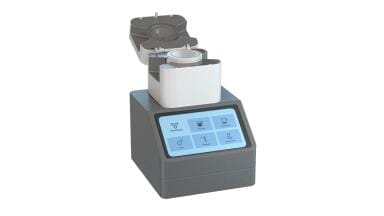
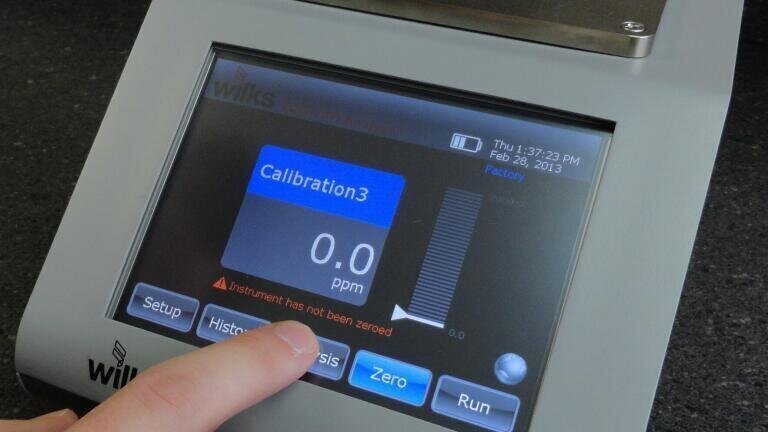
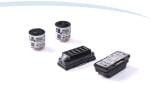
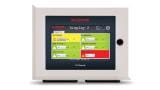
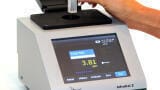
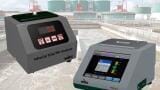
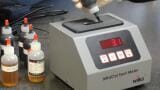
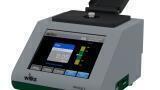
Portable infrared analysers, such as the InfraCal Oil in Water Analysers from Wilks (USA), have been providing drilling operators with the assurance that oil levels are below the required discharge limit for over 50 years, while eliminating the wait for off-site lab results. In hydraulic fracturing, oil in water testing becomes more critical if membrane technology is used to remove TDS (Total Dissolved Solids) as oil will quickly foul the membranes. The new InfraCal 2 Analysers, recently introduced by Wilks, have the added feature of multiple calibrations. This is beneficial to operators that would like to test higher hydrocarbon levels found in drill cuttings, as well as part per million (ppm) levels required for oil in produced water testing.
All InfraCal Analysers provide quick and simple on-site infrared oil and grease measurements to help operators at a well site optimise frac water treatment procedures, maximise evaporation pond efficiency, comply with off-site disposal requirements of wastewater and drill cuttings, or assess soil contamination.
IET 36.5 Sept/Oct 2026


 Product directory


.jpg)







.jpg)


.jpg)
.jpg)