Water/wastewater
Published over 12 years ago. See the latest and most current information on Water/wastewater.
Fixed filter infrared (IR) analysers have been used to test oil levels in produced water on off-shore and on-shore drilling platforms for well over 45 years. U.S. EPA methods 418.1 and 413.2 were used extensively on a worldwide basis until the Montreal Protocol called for Freon (the solvent used in the analysis) to be phased out. Infrared analysis using tetrachloroethylene (perchloroethylene) is still a regulatory method in the North Sea.
As IR analysis is typically used as a quick verification that oil and grease levels are below the regulated level, other solvents such as tetrachloroethylene, hexane or S-316 are now widely used on oil drilling platforms even though there is not an associated EPA method for these solvents. There is an ASTM method (D-7066) for infrared oil in water analysis using S-316 as the extracting solvent.
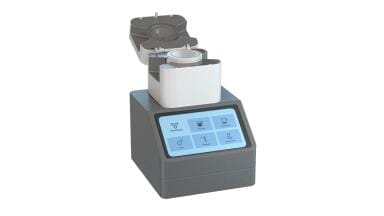
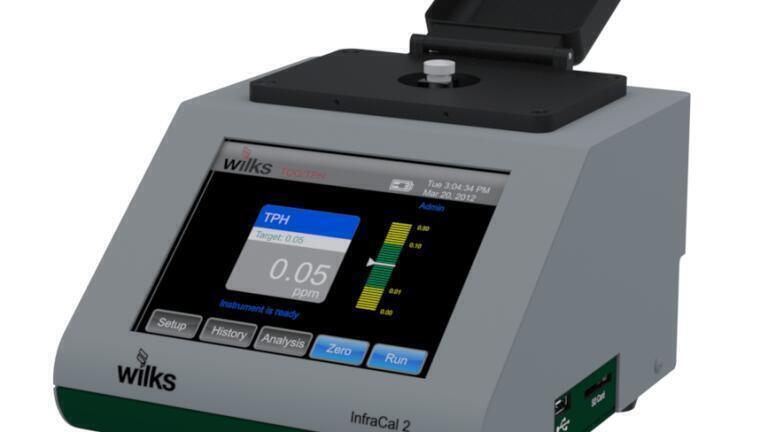
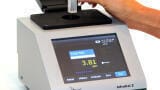
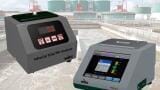
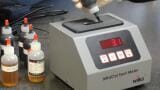
For industrial wastewater, there is a general feeling that it is necessary to use an EPA method. However, there are situations where a rapid on-site test can be invaluable and even save money and time. Operators of a pretreatment system can test how their oil separators work under different loading conditions. A portable infrared analyser, such as the InfraCal TOG/TPH Analyser from Wilks (USA), provides a result in less than 15 minutes. This gives the operator the necessary information to make adjustments to avoid sending wastewater to the sewer that is over the regulatory limit.
For the treatment facility that is imposing the limits, an on-site test allows them to catch offenders. While they ultimately require a testing lab to verify the offense, only the samples that are over the limit need further testing. Hopefully, most of the samples will be within the limit saving a significant amount on laboratory testing. If not, a more costly sanitary sewer overflow (SSO) could be avoided by diverting the effluent loaded with oil and grease that causes the blockages.
The individuals involved in the wastewater industry who need to test oil and grease levels in their effluent would benefit by using the same time-test, field-proven infrared analysers as the highly regulated petroleum industry to verify their oil in water levels.
IET 36.5 Sept/Oct 2026


 Product directory




.jpg)










.jpg)






.jpg)
.jpg)