Water/wastewater
Published over 14 years ago. See the latest and most current information on Water/wastewater.
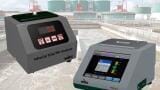
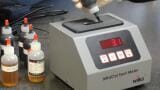
A White Paper entitled, “Will Your Oil in Water Analysis Method Match the Regulatory Method?” was recently published by Wilks Enterprise (USA). Whether you are trying to meet effluent limits for an NPDES (National Pollutant Discharge Elimination System) permit, comply with oil and grease limits for the Clean Water Act (CWA), or an industry satisfying a POTW’s (Publicly Owned Treatment Works) discharge permit, it is important to understand what could make oil in water readings vary.
This White Paper discusses a number of factors that need to be considered when comparing oil and grease in water methods. These include methods may measure different properties of oil, precision and bias statements for each oil in water method, operator errors, obtaining grab samples, and sample disparities. Understanding these considerations, using careful analytical procedures, and knowing the composition of the waste stream and limits of each measurement system will result in useful data. While the numbers may not always match, they will typically correlate closely enough to provide operators with the information necessary to ensure their effluent does not exceed the regulatory limit.
IET Guide 2026
 Product directory