Water/wastewater
Published over 9 years ago. See the latest and most current information on Water/wastewater.
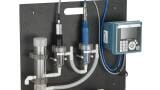
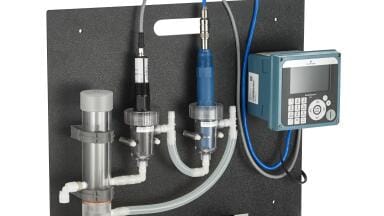
Colorado Springs Utilities (USA) use s::can’s ammo::lyser to monitor and control aeration blowers using NH4-N, improving the plant’s energy efficiency and lowering operating costs.
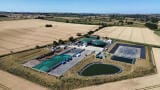
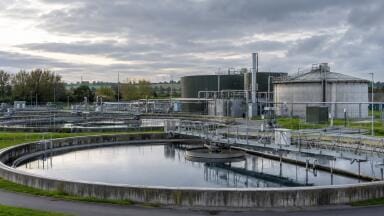
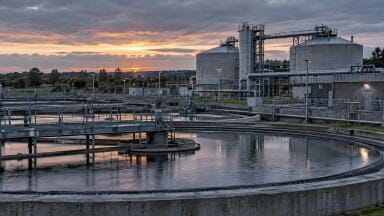
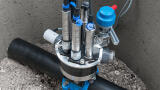
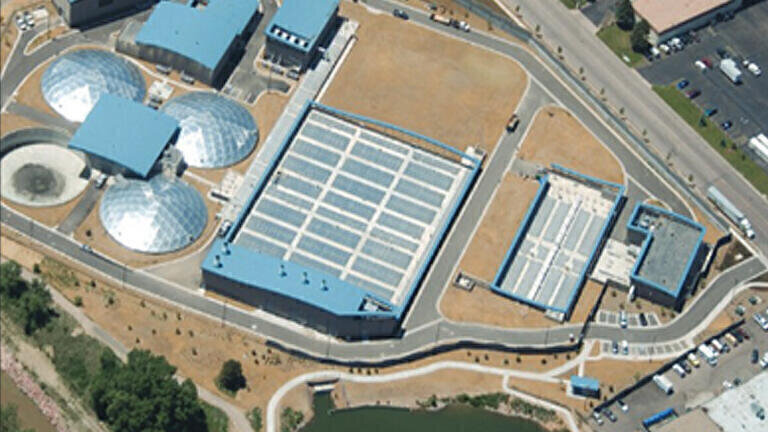
The J.D Phillips Water Resource Recovery Plant came online in 2007 to help the city of Colorado Springs meet increasing service demands. The state of the art facility is enclosed to help odor control. The plant decided to replace their old analyzers with s::can sensors.
Since the entire plant is covered, traditional analyzer installations called for conduit piping to be installed under each basin cover to provide power and data communications. In addition to this, the plant required a dynamic installation as the sensors would be moved between two separate basins every year for maintenance purposes.
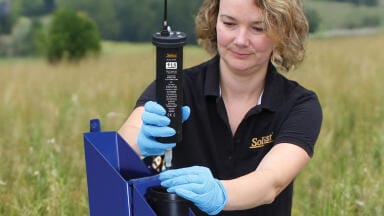
Installing new conduit was extremely costly, time consuming, and prevented the plant operators from moving the analyzers between the two aeration basins within their plant. In an effort to reduce cost, prevent the need for construction, and create transportable analyzing stations, s::can provided the plant with a low-cost, low-maintenance, dynamic solution.
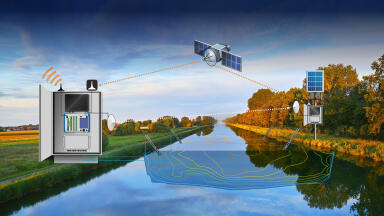
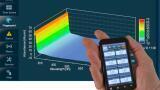
As an alternative to installing new conduit under each basin cover, RS485 Modbus radios were used to transmit data back to a con::cube controller in real time. Using this system design, s::can was able to install the equipment at a fraction of the cost and time, and also provided the plant with a dynamic installation.
In order to effectively control the blowers using ammonia-based DO control, the key parameters NH4-N, pH, Dissolved Oxygen, TSS, NO3-N were measured. Simultaneously measuring these parameters, Colorado Springs Utilities is able to effectively control their aeration blowers and reduce overall operating costs for the plant. Moreover, the staff now has an easily adaptable system allowing them to move the stations throughout the plant.
IET Guide 2026

 Product directory