Water quality monitoring
Published over 5 years ago. See the latest and most current information on Water quality monitoring.
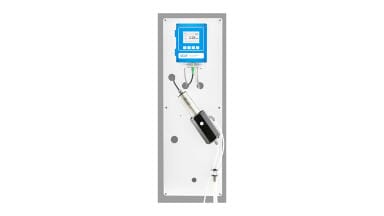
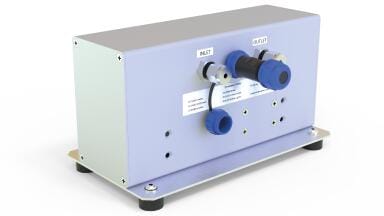
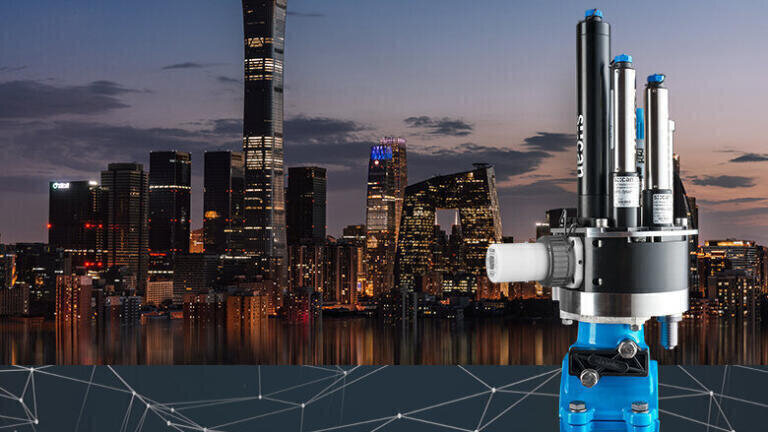
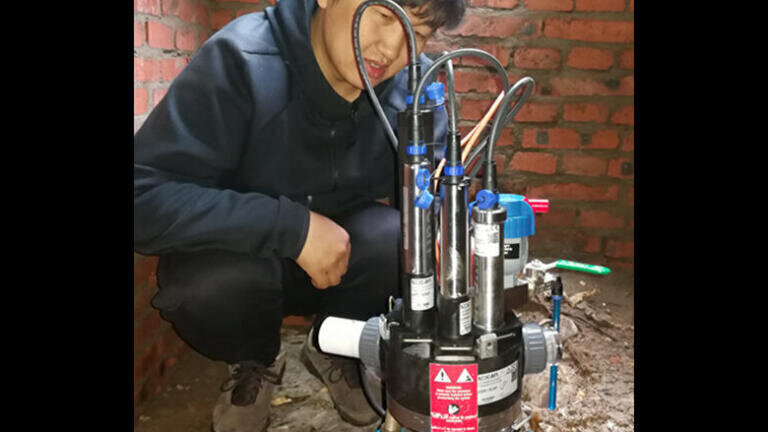
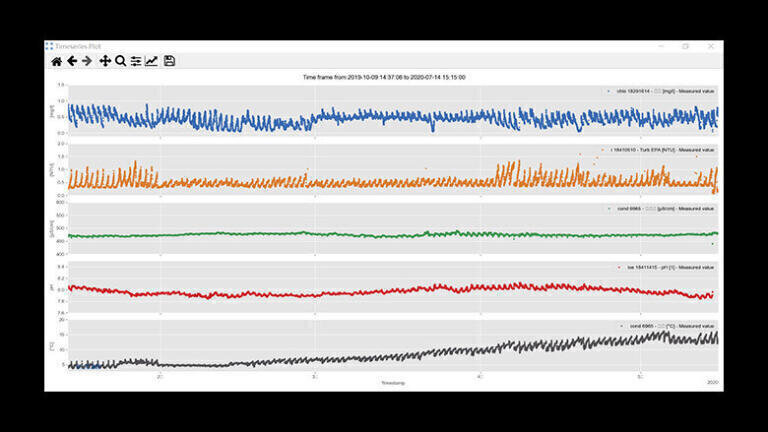
To measure turbidity, color, free/total chlorine, pH, conductivity and other conventional and key indicators at the same time, the Beijing Waterworks Group Co., Ltd. installed a pipe::scan in the drinking water network. The Group has been relying on s::can products since 2017. At that time 50 i::scans were installed for turbidity real-time monitoring.
Beijing Waterworks Group Co., Ltd. is one of the most influential urban water supply enterprises in China. The group is responsible for the water supply of central Beijing, Tongzhou, Huairou, Miyun, Yanqing, Fangshan, Daxin, Mentougou and other new suburban areas. By the end of 2019 they supplied 4.85 million m³ every day. The total length of the pipe network is more than 14,000km and the service area includes nearly 1,180 km² with more than 5.3 million households.
Beijing’s water supply sources include local and external sources. More than 20 water sources are used, which is very rare. This represents the complexity and diversity of the water quality in Beijing. The aging urban network threatens the water quality and is therefore a potential source of danger. An automatic water quality monitoring equipment has to be installed in the pipe network, to ensure water supply safety in the capital. The installation space of the test site is small and the pipeline, made of cast iron, is aging, which might affect the reading of turbidity. The duration of the maintenance intervals and certain settings of the pipe::scan needed fine tuning. In addition, laboratory validation is required to determine whether the pipe::scan transfers the water quality data correctly to the SCADA.
For the parameters like turbidity, free/total chlorine, pH and conductivity, the system was equipped with s::can sensors, automatic brush cleaning and the con::cube terminal. For the aged pipe, a double layer filter was added, to make sure that iron particles do not interfere with measurement results. SCADA get the data via the RS485/Modbus protocol from the terminal con::cube.
For more information please click here.
IET Guide 2026

 Product directory