Water/wastewater
Published over 10 years ago. See the latest and most current information on Water/wastewater.
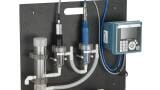
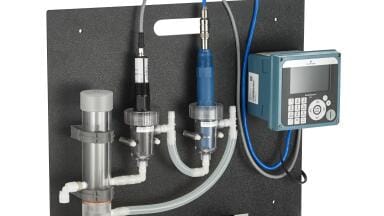
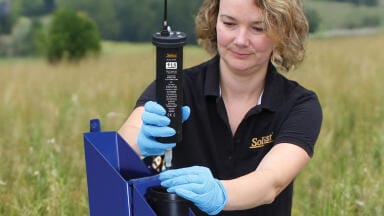
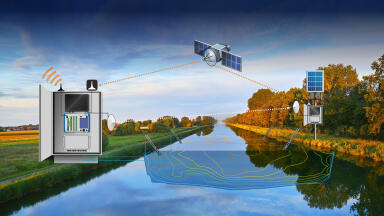
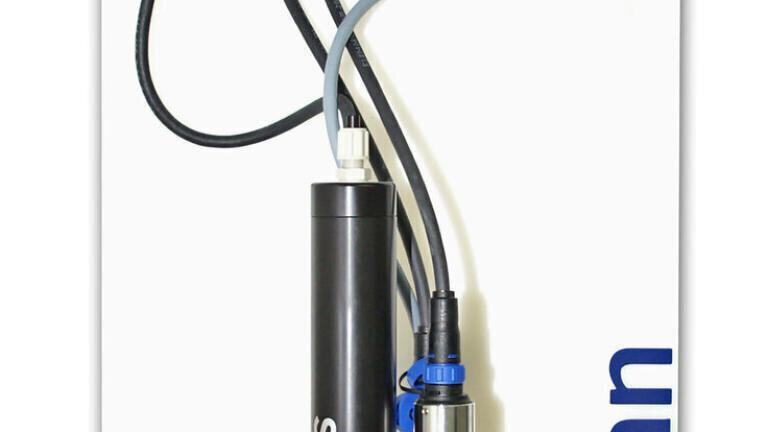
The s::can (Austria) sensor portfolio is growing and covers a total of almost 30 different water quality parameters now. Different sensors can be combined to a super-compact nano::station for advanced water analyses.
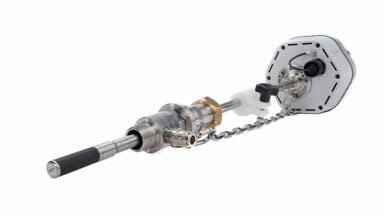
In addition to the chlori::lyser (measures free and total chlorine), the disinfection sensor range now includes: chlodi::lyser (easuring chlorine dioxide from 0.005 to 2 mg/l), hyper::lyser (measuring hydrogen peroxide from 0 to 200 mg/l). and peroxy::lyser (measuring peracetic acid from 0.1 to 200 mg/l).
They are the ideal solution for the typical disinfection applications, especially in drinking water, swimming pools, etc.
The new sensors are based on the amperometric measuring method and impress by their level of accuracy. They offer higher selectivity and stable signals at different water qualities; the readings are stable even at high fluctuations of temperature and flow. Tensides (surfactants) are mostly tolerated. They are resistant to chemicals and surfactants as they are equipped with a special membrane / electrolyte combination. As all s::can sensors, the new sensors are factory pre-calibrated, long-term stable and require the lowest maintenance in operation. The membrane only has to be replaced once a year.
IET Guide 2026
 Product directory