Water/wastewater
But the government’s briefing notes make clear that water reform is also expected to address agricultural pollution, source control, sustainable drainage and broader catchment pressures.
For monitoring professionals, that could be just as significant as the proposed end of Operator Self-Monitoring.
The Bill is expected to provide legislative tools to ensure ambitious targets, support 'pre-pipe' solutions such as sustainable drainage systems, and consolidate and strengthen agricultural pollution rules.
The government also says outdated frameworks will be updated so pollution is tackled at source and environmental standards keep pace with new pressures.
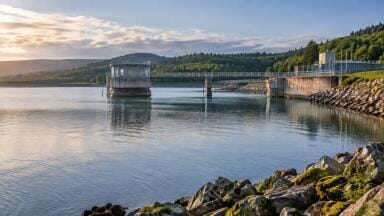
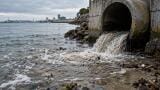
This framing matters because it moves water monitoring away from a narrow focus on what leaves a treatment works or spills from an overflow. Outfalls remain crucial, but many of the pressures on rivers, lakes and estuaries are diffuse, intermittent and catchment-wide.
Nutrients, sediment, pesticides, pathogens, urban runoff and misconnections do not always enter water bodies through a single, easily monitored pipe.

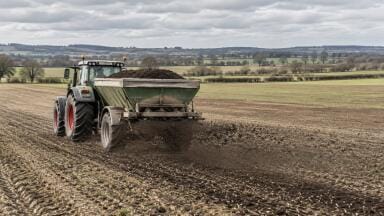
The government’s own figures underline that point. The briefing notes say agriculture affects around 41% of water bodies, compared with 36% for wastewater.
They also state that between 2020 and 2025, 49% of farms inspected by the Environment Agency were not fully compliant with agricultural water regulations.
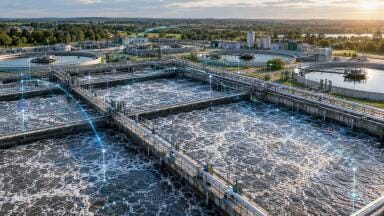
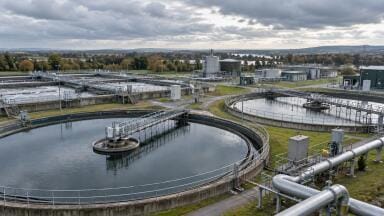
For the monitoring sector, this creates a different technical challenge. Wastewater compliance monitoring can be organised around permits, treatment assets, discharge points and defined sampling requirements. Catchment monitoring is more complex.
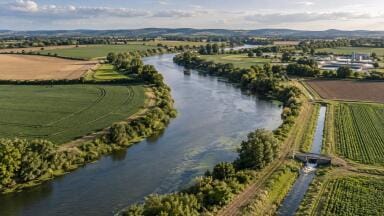
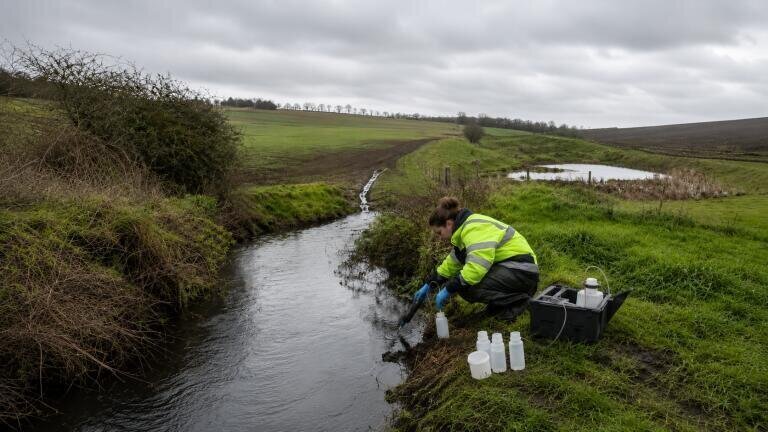
It requires spatially distributed sampling, hydrological context, event-based monitoring, source apportionment, land-use data, modelling, biological assessment and often a combination of regulatory, utility, academic and citizen science evidence.
This is where laboratories and field teams may see growing demand. If agricultural pollution rules are strengthened, regulators and land managers will need more evidence on nutrients, suspended solids, organic matter, faecal indicators, pesticides and emerging contaminants.
They will also need better ways to distinguish between chronic baseline pressures and event-driven pollution caused by storms, slurry spreading, soil erosion or infrastructure failure.
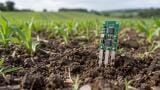
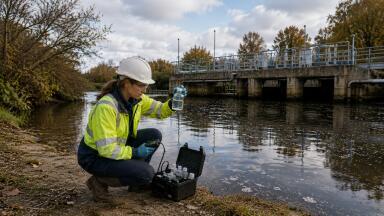
There is also a strong instrumentation angle. Catchment-scale water quality work is likely to depend on a mix of fixed stations, autosamplers, sondes, low-cost sensor networks, telemetry, laboratory confirmation and remote sensing.
No single technology will answer the whole question. The value will come from designing monitoring systems that are suitable for variable flow, changing weather, rural access constraints and difficult attribution problems.
 Monitoring for SuDS
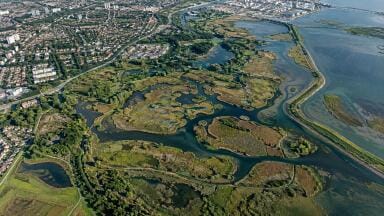
The Bill’s reference to sustainable drainage also matters. If more policy attention shifts upstream, monitoring may increasingly be used to test whether interventions are working: wetlands, buffer strips, retention ponds, permeable surfaces, constructed treatment systems and nature-based solutions.
That requires baseline data, before-and-after monitoring and clear metrics that link local interventions to measurable water quality outcomes.
This could be useful territory for readers because it connects regulation, procurement and practice. A farm inspection regime needs different evidence from a storm overflow monitoring programme. A catchment partnership needs different data from a water company compliance team. A regulator deciding whether pollution has been tackled at source needs more than a dashboard showing when an overflow operated.
The Clean Water Bill should therefore be treated as more than a sewage story. It points to a wider question: can the UK build a monitoring system capable of seeing the whole catchment?
IET 36.5 Sept/Oct 2026


 Product directory


.jpg)









.jpg)