River water monitoring
Published over 12 years ago. See the latest and most current information on River water monitoring.
Many areas of the Hudson River, New York, US, have been found to fall short of federal regulations for water quality. The latest report from environmental group Riverkeeper has found that several locations along the river are unsafe for swimming, using government standards as measurement.
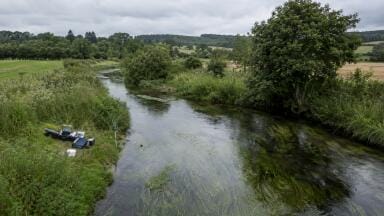
Some 74 samples of water from the river were collected between May and October 2013 from locations between Waterford and New York Harbour. Riverkeeper collected the samples and performed the analysis in collaboration with Queens College City University of New York and Columbia University's Lamont Doherty Earth Observatory.
Data collected from the samples suggests that the Hudson River will continue to experience poor water quality if regulations are not updated. Riverkeeper suggests that pollution and sewage will get worse if new regulations are not put in place and reinforced and if investment and support is not offered.
Of the 74 samples taken, 23 per cent failed to meet with the minimum requirements for safe swimming as set by federal regulations. According to the study, sewage contamination is worsened up to three times in some areas when there is heavy rainfall. It was also found that some tributaries are actually more polluted than the river, further lowering its water quality.
When performing analysis, the environmental group were mainly focussed on measuring levels of Enterococcus bacteria. This bacteria is present in the faecal matter of humans and some animals and can cause illness in swimmers. According to federal standards, if the amount of Enterococcus that is present in the water reaches 30/100 ml, it is unsafe to swim. Samples from the river were measured at 32/100 ml.
Other contaminants that were measured included radioactive components like strontium-90 and tritium. Nutrients - such as phosphorus and nitrogen - from waste plants and toxins were also measured.
IET 36.5 Sept/Oct 2026



 Product directory
















.jpg)