Water pollution monitoring
Published over 13 years ago. See the latest and most current information on Water pollution monitoring.
The New Zealand government is set to begin further works in order to improve the water quality of the Cook Islands. According to Murray McCully, foreign affairs minister, the government will be investing in an ongoing project aimed at improving the sanitation infrastructure of the Islands, in order to protect the water quality of the Islands' lagoons.
A programme is currently in place that is working to improve residential sanitation throughout the Cook Islands. The New Zealand government will soon invest a significant amount into this project to allow for work to continue on the upgrading of the Islands sanitation infrastructure. Improving the residential system could allow for a reduction in the amount of pollution that affects the water quality of the Cook Islands.
Around 40 per cent of the pollution that enters into the Islands' lagoons is estimated to originate from residential sources. The New Zealand government has worked to reduce this by providing funding for a two year pilot project that replaced a number of badly built and older septic systems.
The older systems throughout the Muri-Avana area were replaced with modern, more efficient systems. By replacing these residential systems it is hoped that a large amount of pollution will be prevented from negatively affecting the quality of lagoon and ground water.
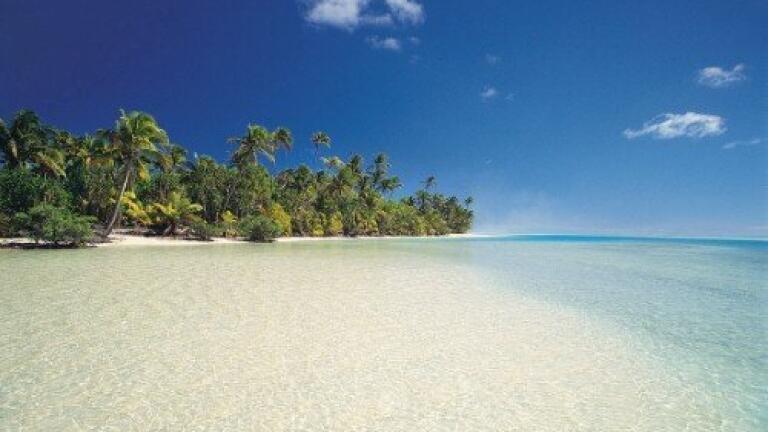
Mr McCully said: “The beaches and lagoons of the Cook Islands are a major tourist draw-card on which the economy depends."
“Protecting the health of the Cook Island’s many lagoons is a priority for the Cook Island’s Government and New Zealand wants to support this effort.”
"New Zealand is committing up to NZ$10 million (£5.1 million) over the next four years to complete all eligible residential septic systems across Rarotonga and Aitutaki, strengthen enforcement services, and improve water quality monitoring."
So far the pilot project has improved the sewage treatment and systems for around 240 residential properties throughout the area surrounding Muri lagoon. The project is being jointly funded by New Zealand and Australia, with further support being provided by the EU.
IET 36.5 Sept/Oct 2026

 Product directory