Water quality monitoring
In the first of a new column from Graham Meller, he questions why fish seem to be disappearing from UK rivers and asks who should have responsibility for finding out what has gone wrong.
In an ideal world, this article would highlight a problem and identify the perfect solution.
Sadly, we don’t really know what’s happening in our rivers. So we are unable to define effective strategies for environmental
remediation.
Unfortunately, English rivers are in a poor condition. But the solution is not blindingly obvious.
We could blame politicians or the water industry. We could blame farmers, industry or vehicle drivers. But we don’t really
know why our rivers have apparently declined.
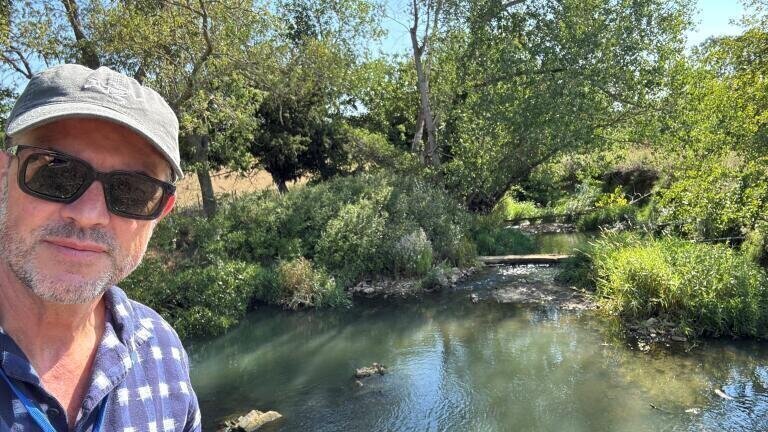
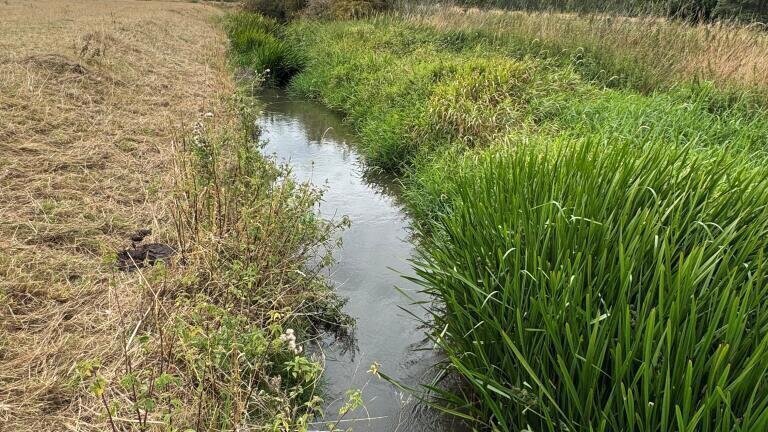
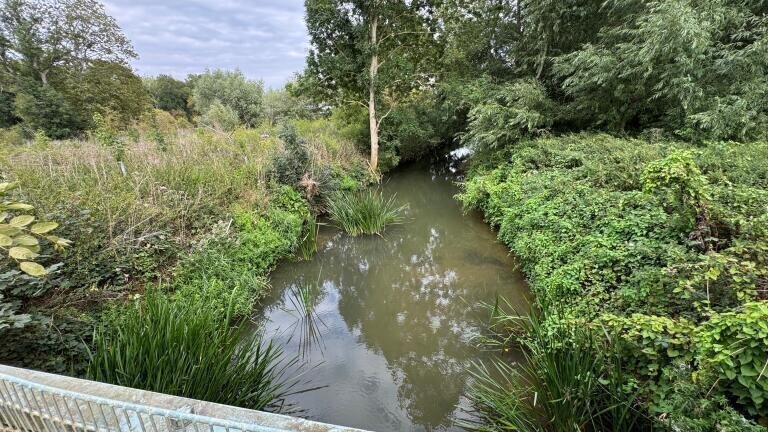
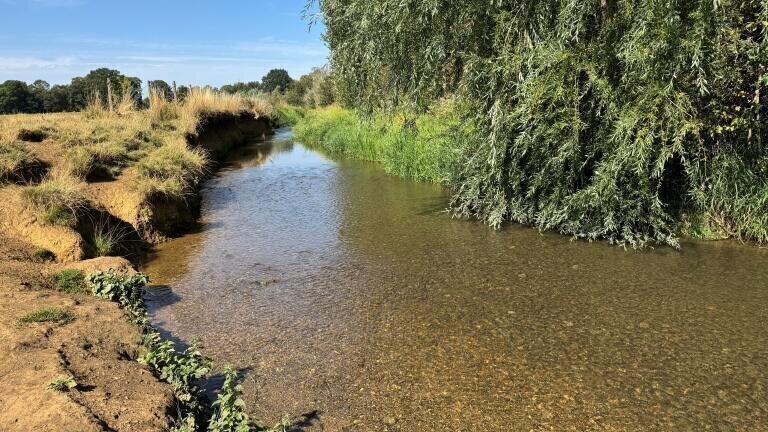
Take the River Tove in Northamptonshire, for example.
Fish populations have declined dramatically in the last 30 years, but there are no new sewage treatment plants or factories
along its course, and agriculture is probably less intense.
The only discernible increase in risk is a very significant increase in housing (and associated sewage) and traffic near the course of the Tove.
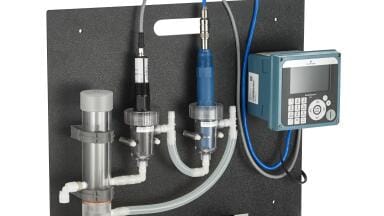
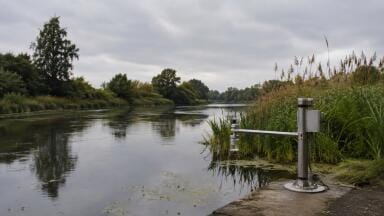
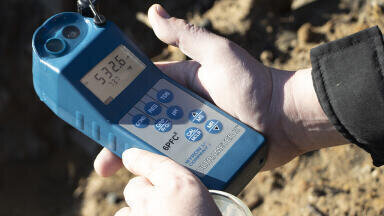
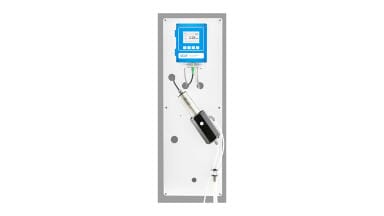
Continuous water quality monitoring would seem to be an obvious way forward. And the Environment Act 2021 will result in large numbers of continuous water quality monitors being deployed on English rivers.
As a consequence, we will be in a much better position to determine the degree to which pollution is affecting river ecology.
However, these monitors provide measurements of chemical and biological changes, and may not pick up sources of pollutants such as PFAS, hormones, pharmaceuticals, pesticides or chemicals from tyre wear.
They will measure anything that affects pH, ammonium, conductivity, turbidity and dissolved oxygen, for example.
But continuous monitoring needs support from the laboratory analysis of river stressors in spot samples – ideally, such sampling would be triggered automatically by continuous monitors.
Ecological surveys, such as kick sampling for invertebrates, are also needed to help to complete the picture and identify opportunities for improvements.
All of this takes time, resources and money. So let this be a moment to highlight the importance of funding the Environment
Agency (EA) adequately.
The River Tove flows for about 24 km near the town of Towcester before joining the River Ouse just north of Milton Keynes.
The Tove is a small river. But in 1989, I watched staff from the National Rivers Authority conducting a survey by electric fishing
the river, and was amazed at the number, variety and size of the fish that were discovered.
They pulled out lots of chub - up to 4lbs, lots of roach, dace, perch, bream and several large pike. The river was also alive with minnows and sticklebacks.
In recent years the fish have almost completely disappeared. Otters appeared a few years ago so they doubtless had some
effect. But surely they didn’t kill everything.
Even if they did, I have not seen an otter for the last few years, and the fish population has not recovered.
In the summer of 2025, I saw the EA in the river conducting invertebrate kick sampling. I stopped and asked them where all
the fish had gone. They didn’t know.
They said there are lots of invasive Signal crayfish, which burrow into the banks and raise turbidity. But I couldn’t see how that could have had such a devastating effect.
Of course, my personal observations are not scientifically robust or defensible. But data are available on the Environment Agency Ecology & Fish Data Explorer pages on Gov.uk website.
The location on the Tove where I saw the NRA and EA staff is known as Cappenham Bridge. The data from eight surveys between 1991 and 2019 are shown on the website (Figure 1).

Figure 1: In June 1991, the fish count totalled 1,490, but in July 2019 the total was just 50
Local fishermen believe that there are several reasons for the river’s decline, including predation, pollution, extreme weather
and a lack of gravel beds for spawning.
Again speculation.
Mink and otters are known to have killed many of the larger fish. But it is believed that they move on to new waters when the fish populations decline.
American Signal Crayfish are omnivorous and known to eat aquatic plants and algae, as well as various invertebrates including snails, insects and fish.
They also prey on fish eggs and tadpoles. So, it is possible that the crayfish have prevented fish population recovery.
But, as before, that is of course also speculation.
The EA did run continuous water quality monitors on the Tove for some while. But the data does not span the period of fish decline.
Section 82 of the Environment Act will ensure new monitors are installed.
Hopefully the resultant data will help to identify the best ways to resolve the problems with our rivers.
I just hope it is clear which organisations have the responsibility for finding out what has gone wrong. And that these organisations (EA, Defra, Water UK etc) will have the power and the resources to implement appropriate remediation strategies.
In the meantime, many questions remain:
More research is desperately needed!
IET 36.5 Sept/Oct 2026



 Product directory



.jpg)











.jpg)