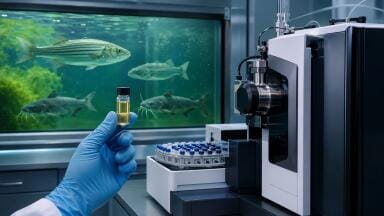
Water pollution monitoring
The case, first reported by The Guardian, has intensified scrutiny of how water quality risks are communicated to the public and highlighted potential gaps in current monitoring systems.
Rex Earley became seriously ill after kayaking with his family on Windermere in August 2025.
His mother, Claire Earley, said the family had checked the Environment Agency’s website before entering the water and were reassured by the lake’s “excellent” water quality classification.
However, later that evening Rex developed severe stomach cramps and rectal bleeding. Laboratory tests confirmed infection with E. coli O157, a dangerous strain of the bacterium linked to contaminated water.
Rex was eventually diagnosed with haemolytic uraemic syndrome (HUS), a potentially life-threatening complication associated with E. coli infection that can cause kidney failure and other systemic effects.
He underwent two emergency operations and required dialysis before being discharged from hospital weeks later. He later returned to hospital after complications caused fluid to accumulate in his lungs.
The incident has strengthened calls from campaign group Save Windermere for continuous or near-real-time water quality monitoring across the lake.
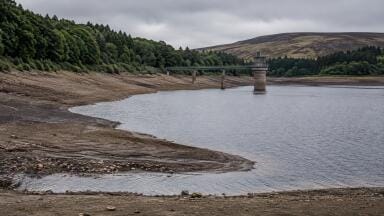
According to campaigners, the current bathing water classification system may not adequately reflect conditions outside the lake’s four designated bathing sites, which are monitored by the Environment Agency between May and September.
Windermere receives roughly seven million visitors each year and generates an estimated £750 million for the local economy.
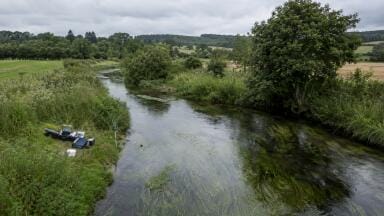
Recreational activities such as swimming, kayaking and paddleboarding take place across the lake, often away from the official bathing sites where routine monitoring is carried out.
Campaigners argue that this creates a mismatch between how the lake is used and how water quality is assessed. Matt Staniek, founder of Save Windermere, said the “excellent” classification could give the public a false sense of security when pollution events occur outside the monitored areas.
Independent testing has also raised concerns. In 2025, Olympic marathon swimmer Hector Pardoe conducted real-time monitoring while swimming across the lake.
Laboratory analysis later detected E. coli concentrations of 6,898 colony-forming units per 100ml in some samples, more than eight times the threshold typically associated with “excellent” bathing water status.
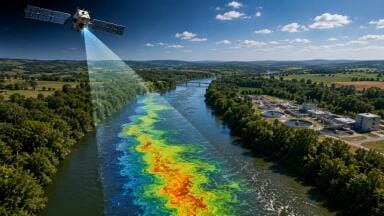
The campaign group is calling for a monitoring framework similar to pollution forecasting systems used at some UK coastal bathing waters. Such systems combine high-frequency sampling with predictive modelling to provide daily risk forecasts for swimmers and other water users.
Proposals include expanded sensor deployments around the lake, more frequent microbial sampling, public signage, and an accessible online portal displaying real-time water quality information.
Support for these measures has also emerged in parliament: Liberal Democrat MP Tim Farron has submitted an early day motion endorsing the introduction of real-time pollution alerts for Windermere.
The issue is not limited to a single incident. Another local resident, Graham Jackson, reported becoming seriously ill after swimming in the lake in 2025. Jackson developed a urinary tract infection caused by antibiotic-resistant E. coli, which progressed into life-threatening sepsis and required extended hospital treatment.
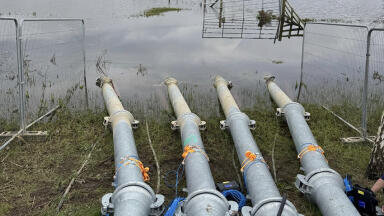
Multiple sources of potential pollution affect the lake. These include storm overflows and discharges from wastewater treatment infrastructure, as well as approximately 1,800 private septic tanks and small private sewage treatment systems around the catchment.
United Utilities, the regional water company, has stated that storm overflows near the Brockhole area had not discharged in the weeks leading up to the Earley family’s visit. The company also noted that it does not operate wastewater assets within several kilometres of another location linked to illness reports.
At the same time, a large engineering assessment funded by United Utilities and conducted by consultancy Jacobs is currently evaluating options to eliminate sewage pollution entering Windermere. The study is expected to report in mid-2026.
The Environment Agency maintains that the lake’s designated bathing waters have consistently met the “excellent” classification since 2015 under legally defined monitoring standards. The agency continues to test for bacteria weekly during the official bathing season.
For monitoring professionals, the debate highlights a broader question about how water quality classifications translate into real-world risk communication. As recreational water use expands and public expectations of environmental transparency increase, the pressure to move from periodic sampling toward continuous monitoring and predictive pollution alerts is likely to grow.
IET Guide 2026



 Product directory





















.jpg)