Water pollution monitoring
Published over 7 years ago. See the latest and most current information on Water pollution monitoring.
In recent years, we've seen the environment becoming more important to governments, businesses and consumers around the world. More and more people are asking crucial questions like ‘What can be done about microplastic pollution?’. However, the time for change is now. Not only is pollution affecting our climate, air quality and way of life, it is also seriously damaging our oceans and marine life.
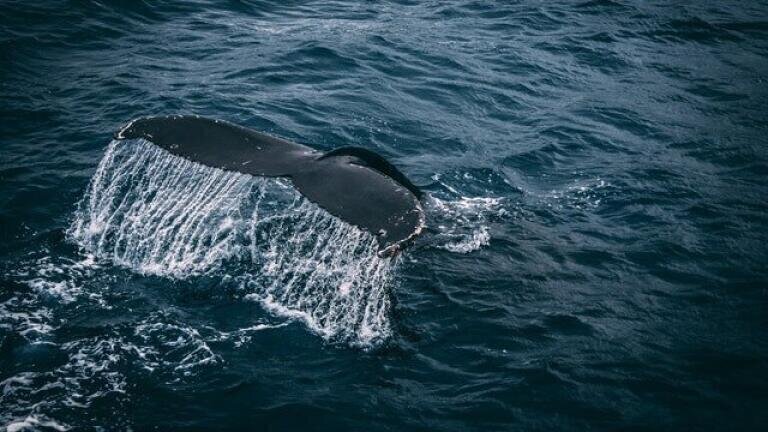
A whale, which was recovered from the east coast of Davao City in the Philippines earlier this month, was found to have almost 40 kilograms of plastic waste inside its stomach. Workers at D’Bone Collector Museum, who recovered the whale, said it was “the most plastic we have ever seen in a whale”, including 16 rice sacks and 4 banana plantation style bags.
In an emotional and damning Facebook post by the team at D’Bone Collector Museum, the cause of death was identified as ‘gastric shock’ as a result of the abundance of ingested plastics. The young Cuvier’s beaked whale was stuck in the shores of Mabini Campostela Valley in the early hours of Saturday morning and was reported to have died at around 11am.
The museum workers then carried out an autopsy and discovered the devastating impact human life has had on marine creatures. The museum’s Facebook page will announce a full list of the ingested plastic items in upcoming days.
Unfortunately, this is not the first case of our magnificent animals being killed due to plastic pollution. In June last year, a small pilot whale was found to have 80 plastic bags, weighing up to 8 kilograms in its stomach. And with pollution rates increasing every day, more needs to be done to protect our marine life and environment.
Around 18 billion pounds of plastic waste enters the oceans every year, 40% of which is used only once before being discarded. While plastic pollution is causing a huge problem worldwide, there are a number of nations in particular causing significant damage. Five Asian nations – China, Indonesia, the Philippines, Vietnam and Thailand – produce more plastic pollution than the rest of the world combined.
Without change, the amount of plastic in the ocean is set to triple in only a decade, according to a major report. One of the report’s authors, Professor Edward Hill, highlighted the importance of protecting our seas, saying “The ocean is critical for our economic future. Nine billion people will be looking to the ocean for more food…we really need a mission to planet ocean – it’s the last frontier”.
IET Guide 2026
 Product directory