Water pollution monitoring
Published over 14 years ago. See the latest and most current information on Water pollution monitoring.
Although air and noise pollution continue to be a problem in India, new reports show that water quality has improved over the past two years.
The BMC annual Environment Status Report has revealed that the number of water samples unfit for consumption has dropped from 24.64 per cent in 2011, to 16.37 per cent now. However, contaminated water continues to be a big problem in India, with many of the heavily-populated areas recording over 25 per cent of contaminated water.
Samples in areas of South Mumbai in Marine Lines and in the densely populated areas of Kalbadevi (25 per cent), Goregaon (26 per cent), Byculla and Kurla ( 21 per cent) and Parel and Lalbaug (19.68 per cent), all had high water contamination levels, with the lowest levels being recorded in the Matunga area (10.44 per cent).
There are improvements to be seen, and this is hoped to continue as developments ensue. Ramesh Bamble, chief engineer of the
Hydraulic Engineering Department said: "The improvement in the water quality is being attributed to the replacement of old pipelines which were causing contamination."
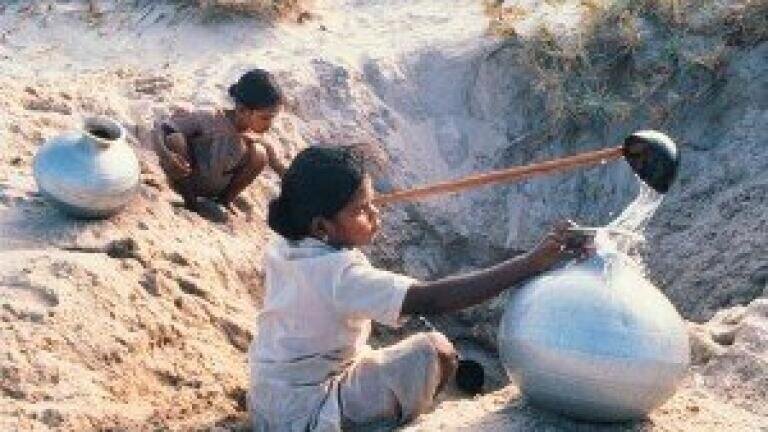
India's main cause of contamination in the water supply comes through service connections, where sewerage and drainage systems meet with water supply systems. Officials also point to the illegal connections by slum dwellers, where tampered water supply mains and faulty fittings contribute to the contamination of water.
Of the 4,000-km of old pipelines that the civic body had identified for replacement or repair in 2006, about 506.91 km have been replaced so far and about 331.3 km repaired. Even though there are clear signs of improvement in this area, the water quality at the city’s beaches and other coastal areas is far beyond the permissible standards for harbour waters recommended by the Maharashtra
Pollution Control Board (MPCB).
Additionally, noise and air pollution have shown no signs of abating, which places great emphasis on environmental measures in the future.
Posted by Lauren Steadman
IET Guide 2026

 Product directory