Water monitoring
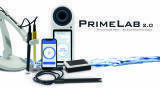
As routine water testing becomes increasingly documentation-driven, instrumentation is expected to deliver not only analytical reliability but also structured data handling and operational flexibility. The PrimeLab 2.0 photometer from Water-i.d.® reflects this trend, positioning itself as a configurable platform rather than a single-application device.
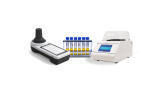
One of its notable configurations supports Chemical Oxygen Demand (COD) analysis using a cuvette-based digestion method. With the addition of a dedicated COD Kit, the instrument can be used for wastewater and effluent monitoring applications where COD remains a key regulatory parameter. Pre-filled cuvettes and compatible heating blocks are available to standardise digestion and measurement procedures, helping to improve reproducibility across operators and sites.
The system’s broader capability is centred on its library of more than 140 programmed parameters, covering nutrients, disinfectants and selected metals. Support for tablets,, powder pillows, liquid reagents and cuvette tests provides flexibility across different laboratory preferences and established workflows. Automatic method recognition is intended to reduce setup errors, which can be particularly relevant in decentralised or multi-user environments.
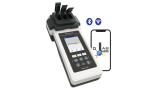
A 5.5” colour touchscreen interface guides users through measurement sequences, while optional Wi-Fi and USB connectivity enable data export and integration with the LabCOM® cloud platform. In laboratories operating under compliance or audit requirements, structured data management and traceability features are increasingly viewed as essential rather than optional.
The modular design also allows expansion via an electrode module for pH, ORP, conductivity and temperature measurements, broadening the instrument’s applicability beyond photometric analysis alone. An integrated camera supports reagent identification through packaging recognition, adding an additional layer of traceability to the workflow.
The PrimeLab 2.0 is ideal for labs seeking a compact system capable of addressing multiple routine parameters while maintaining documentation standards aligned with modern regulatory expectations.
IET Guide 2026

 Product directory