Water monitoring
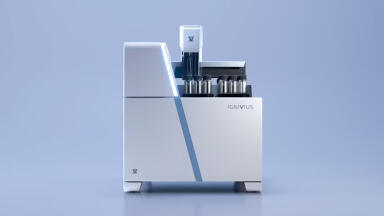
At the recent IFAT exhibition in Munich, one of the systems attracting attention on the Microbium stand was an automated approach to microbiological water testing that focuses on something every water professional cares about: getting fast, reliable answers on E. coli and coliform contamination without the usual laboratory complexity.
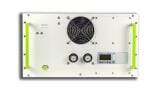
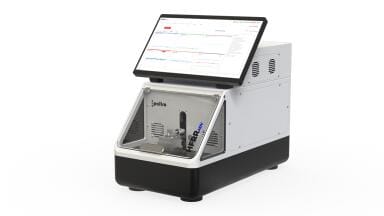
Designed for drinking water, wastewater and recreational water applications, the MPN Analyser PRO is built around the idea that these two indicator organisms tell you most of what you need to know about sanitary water quality. E. coli is a direct marker of faecal contamination, while coliform bacteria give a broader indication of overall hygiene conditions. Because they are so widely used in regulation and compliance testing, they remain the benchmark for assessing whether water is safe for consumption, bathing or discharge.
What stood out at IFAT was how the process has been simplified. Instead of traditional plate counting and manual interpretation, the system automates detection, quantification and reporting. That means less time spent in the lab and fewer opportunities for human variation in results. It also aligns with ISO 9308-2 requirements, so results remain consistent with established regulatory standards.
Speed is another clear advantage. Initial results can be available in around eight hours, which is a significant improvement for operators who need to respond quickly to potential contamination issues. At the same time, sensitivity remains high, with the ability to detect as little as one bacterium per 100 mL, making it suitable for early warning monitoring as well as routine compliance testing.
Despite the technical capability behind it, the workflow itself is straightforward. Only a few basic steps are required, meaning it can be used without specialist microbiology training. This makes it practical not just for large utilities and laboratories, but also for smaller operators, hospitality settings such as hotels and wellness centres, and organisations managing internal water quality or reuse applications.
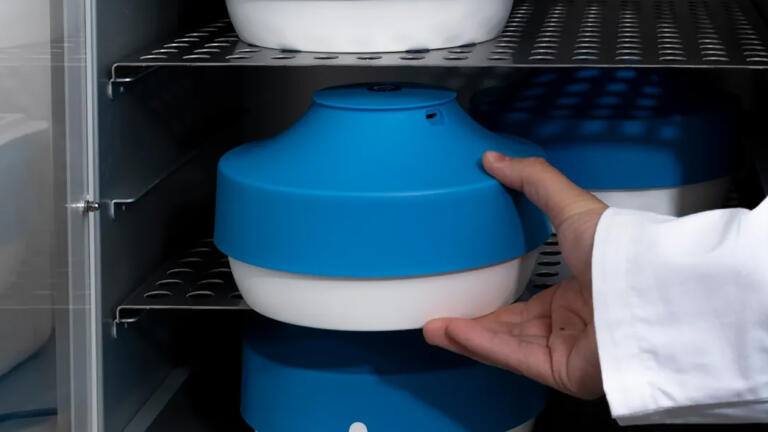
Another notable feature is its zero-waste approach. By using a reusable system rather than disposable consumables, it reduces laboratory waste while also simplifying day-to-day operation.
What Microbium presented at IFAT reflects a broader shift in water testing, moving away from complex, manual microbiology workflows toward faster, more automated systems that still meet strict regulatory standards but are far easier to run in practice.
IET 36.5 Sept/Oct 2026





 Product directory