River water monitoring
Published over 12 years ago. See the latest and most current information on River water monitoring.
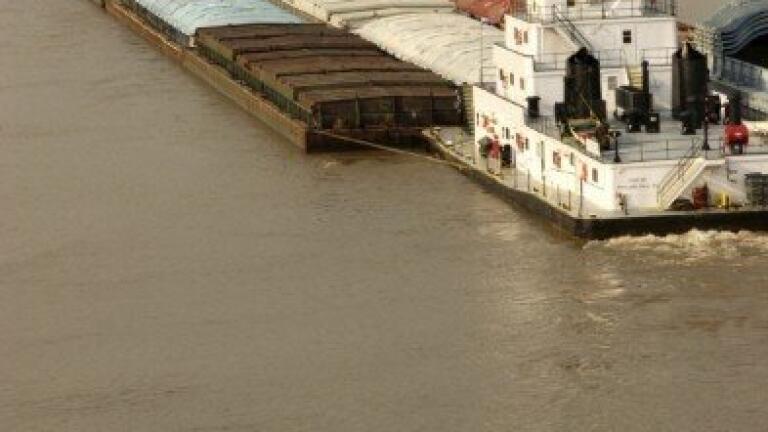
The US Coast Guard has announced that it supports the idea to have wastewater transported by barge. Wastewater that is created through the process of hydraulic fracturing (fracking) is currently moved for disposal via trucks or train. However, the Coast Guard has supported plans that are being debated to transport the wastewater on barges across the nation's river.
The idea of using barges for wastewater transportation has been discussed in the US for around two years, with many environmental groups strongly opposing the move. However, the Coast Guard's announcement could give more weight to the option that could make transportation of the fracking water easier.
Current transportation options of wastewater offer more risks for accidents, according to a report that was released by the US government. The report also stated that a single barge is capable of transporting the same amount of water as around 100 trucks, meaning that costs and emissions would be drastically reduced for those within the oil and gas industry.
Those that oppose the option for wastewater transportation via barge have argued that the chemicals found in the water pose environmental risks were an accident to take place on a river. However, the oil and gas industry has argued that chemicals that pose a much greater risk to the environment are already being transported via river barge, which includes oil drilling waste.
The Coast Guard has proposed that it would issue permits to those companies wishing to use barges as an alternative form of wastewater transportation. In order to receive a permit, companies would have to chemically analyse each load of wastewater in order to ensure that it adheres to the Coast Guard's standards. Companies will also be required to ensure that each of the covered barges is ventilated correctly to avoid workers from being exposed to harmful gases emanating from the waste materials.
Comments concerning the proposal, following an extended public comment period earlier this month (December), are now being reviewed by the Coast Guard before any final decision is made.
IET 36.5 Sept/Oct 2026

 Product directory





















.jpg)