Leak detection
Published over 6 years ago. See the latest and most current information on Leak detection.
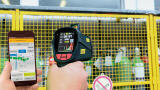
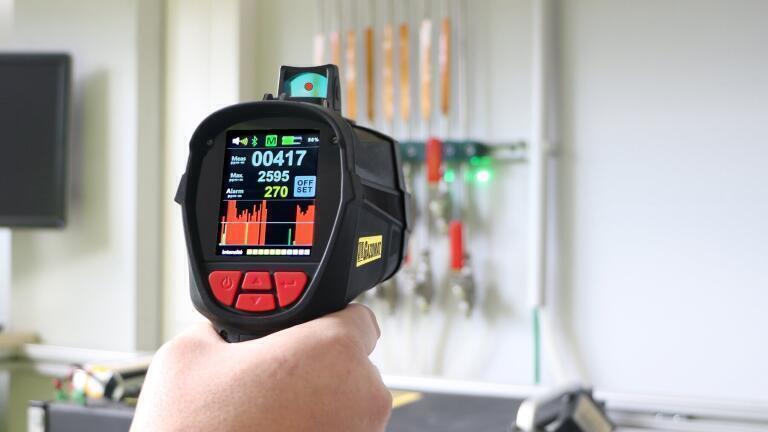
A new generation of methane selective portable detectors has emerged recently, offering extra long distance detection capacities. The GAZOSCAN, manufactured by Gazomat is an instrument capable of detecting methane up to 100m. This opens up new perspectives in the field of natural gas pipeline network monitoring, as illustrated in the following example.
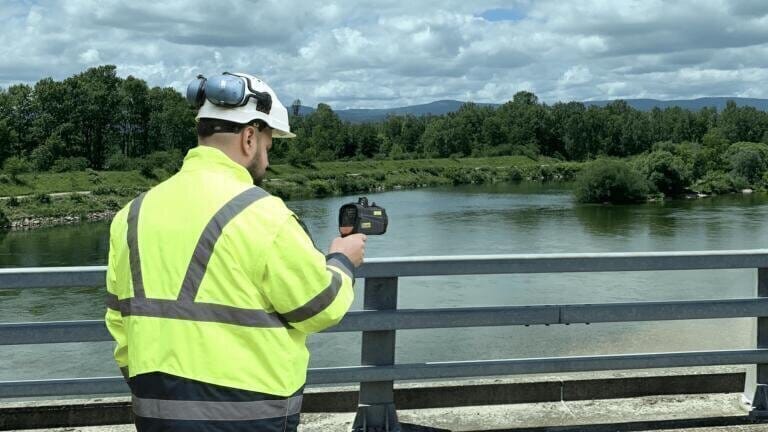
This case relates to a conventional gas distribution network inspection conducted from a mobile leak survey vehicle. The scheduled route includes a bridge over a river where the pipeline crosses underground. Running at a distance of approximately 50m from the bridge, that part of the network is listed as non-accessible and non-surveyable. Driving over the bridge, the survey technician decides to test the laser-based GAZOSCAN detector. Standing right at the centre of the bridge, he points the laser beam towards the water surface and scans the area between both river banks. As it reaches the middle of the river, the Gazoscan’s alarm sets off powerfully. On the device screen, the reading displayed in ppm/m corresponds to a methane concentration almost 50 times above the levels usually encountered by the operator.
To make sure, the somewhat taken aback technician shoots again with the GAZOSCAN. Readings however do remain at the same high level. The gas leak detected IS really significant, and yet there are no visible signs in the area - no burnt grass, no dead fish, no gas bubbling up to the water surface. Looking carefully, he identifies gas pipeline markers indicating the presence of a transmission pipeline. Alerted, the services in charge of the transmission network and of the distribution network must urgently determine the leak source. As a first step, the service pressure in the distribution pipeline section is modified and measures taken using the GAZOSCAN from the bridge. The results quickly show the leak originates from the distribution network. Major repair works are scheduled, comprised of (trenchless) directional drilling over a 2 km distance and the replacement of the leaky pipeline section running under the river bed.
As to the technician involved, he freely admits he will never forget the experience that showed him all the benefits and potential of this type of detectors. As he says, ‘the devices are so easy to use and so quick to start up. Wherever pipelines or installations are hard to access, they simply make field inspections easier and more exhaustive, while allowing to keep safe distances’.
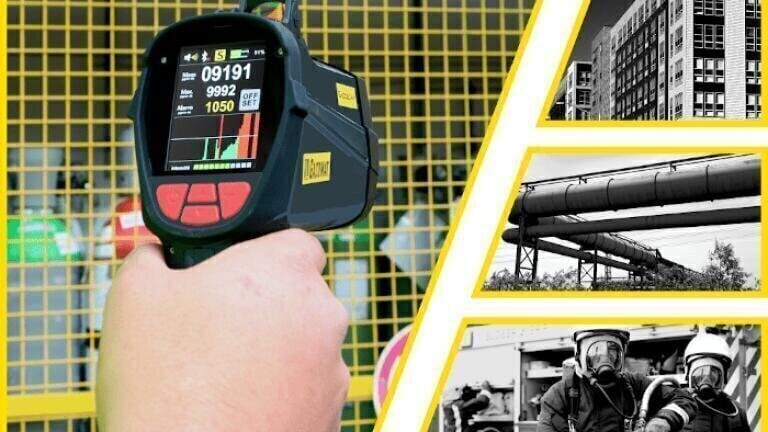
Atex and IECEx certified, the methane detector offers an extended range of application in a variety of industries.
To learn more please click here.
IET Guide 2026

 Product directory