Gas sensors
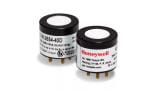
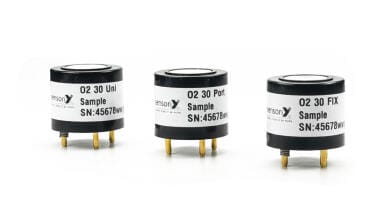
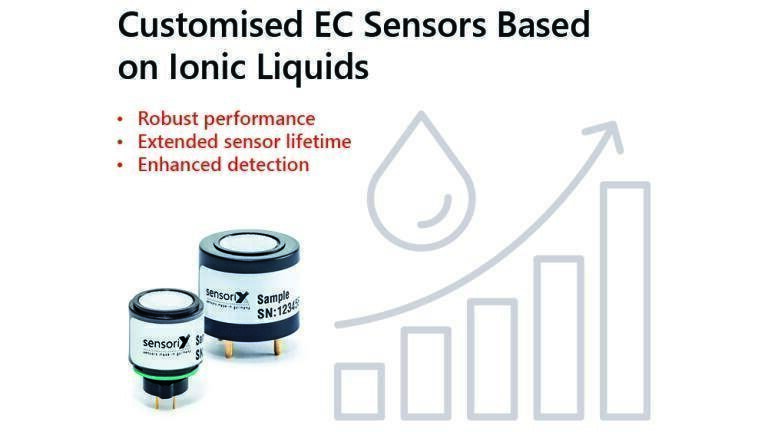
Sensorix GmbH is expanding its OEM gas sensor portfolio with ionic liquid (IL) based sensors. The IL-supported technology extends sensor lifespan and enhances gas detection performance.
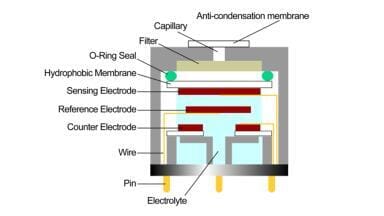
Electrochemical sensors that use ionic liquids as electrolytes offer significant advantages for gas detection. As organic salts, ionic liquids have high chemical and thermal stability and exhibit very low vapour pressure. These properties enable IL-based gas sensors to have a longer lifespan compared to sensors using other electrolyte systems.
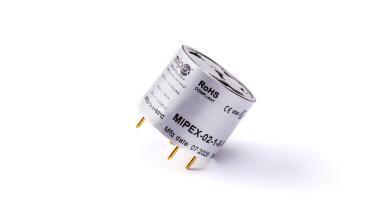
As a leading manufacturer of high-quality toxic gas sensors, Sensorix offers a diverse range of sensors that utilise ionic liquids as electrolytes. These sensors are known for their robustness, long lifespan, and remarkable selectivity in gas detection. They feature a stable baseline and a fast T90 response time.
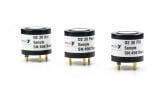
The IL based sensors consist of the new Sensorix Ozone (O3) LT 0-3 ppm, the Sensorix Arsine (AsH3) LT 0-1 ppm, the Sensorix Diborane (B2H6) LT 0-1 ppm, the Sensorix Germane (GeH4) LT 0-1 ppm, the Sensorix Hydrogen Selenide (SeH2) LT 0-5 ppm, the Sensorix Phosphine (PH3) LT 0-1 ppm and the Sensorix Silane (SiH4) LT 0-50 ppm.
The gas sensors deliver a robust performance under demanding environmental conditions: With IL sensors, your gas detection devices can be used in extreme conditions such as exhaust and ventilation ducts.
As the electrolyte practically does not evaporate and is chemically stable, these gas sensors offer a substantially longer lifetime - often lasting two years or more, depending on the application. This enhancement leads to reduced maintenance costs and less downtime for your devices.
These sensors also provide an enhanced detection capability. Due to their specialised chemistry, ionic liquids enable precise and selective gas detection, allowing your gas instruments to accurately measure low concentrations of toxic gases.
The experts at Sensorix are always ready to provide technical advice on customised solutions, or about sample extraction systems, application modifications, or various sensor formats.
IET Guide 2026


 Product directory