Gas detection
Published over 8 years ago. See the latest and most current information on Gas detection.
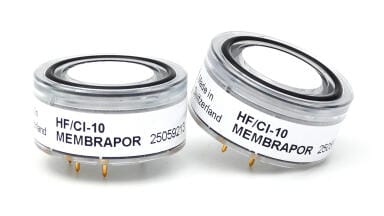
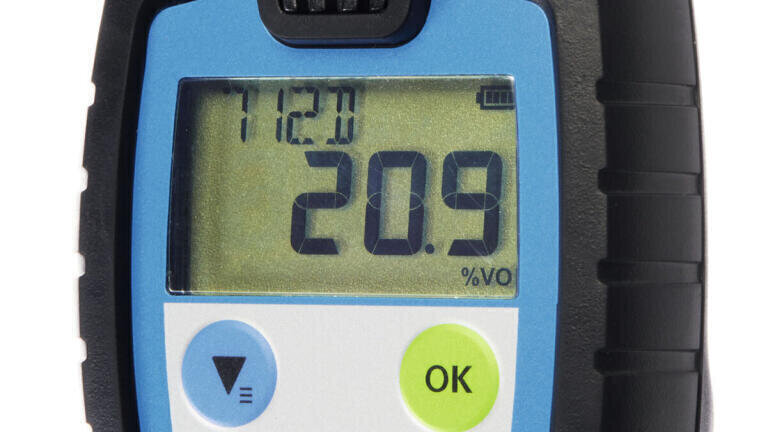
With Pac 6000, 6500, 8000 and 8500, Dräger now offers a new series of personal single-gas monitors. The monitors detect not only the standard gases carbon monoxide (CO), hydrogen sulphide (H2S), sulphur dioxide (SO2) and oxygen (O2) (Pac 6000 and 6500), but also special gases such as ozone, phosgene and nitrogen dioxide (Pac 8000 and 8500). In addition, Pac 8500 is also available with a dual sensor for H2S/CO or O2/CO, and a hydrogen-compensated CO sensor. This significantly reduces the influence of hydrogen on the indication of carbon monoxide.
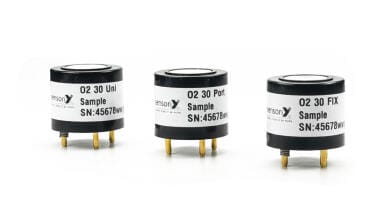
As quick and reliable gas measurement is extremely important in an industrial environment, the monitors of the Pac series provide quick, precise and reliable results, and are very easy to use. Users can choose between 18 long-life sensors for up to 33 gases. The industrial battery used in the monitors enables a service life of two years without a battery change. Existing accessories can also be used with the new monitors.
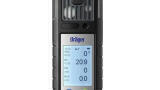
The integrated "D-Light" shows the user whether the monitor is functional and ready for operation. In addition to the current gas concentration, the large display also provides other important information, such as battery capacity, target gas or remaining service life.
The Pac series withstands even harsh operating conditions. The sensors can be used in a temperature range from -40 to +55 °C. An easily replaceable membrane filter protects the sensor against foreign substances such as dust or liquids. The impact and chemical-resistant housing meets the requirements of IP68. Each sensor variant is identified by a colour code. This means that mix-ups are practically impossible.
Pac series monitors display the respective highest concentration measured. Alarms are issued acoustically, optically and with a perceptible vibration, and users can access acknowledged alarms at a later time.
IET 36.5 Sept/Oct 2026


 Product directory