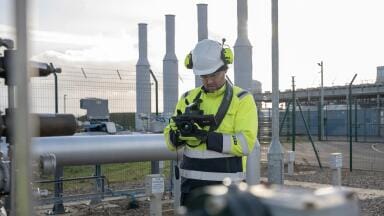
Gas detection systems are designed to protect you from the hazardous gases you’re exposed to. Your system needs to be regularly serviced to ensure that it is in full working order and it does the primary job of protecting you and your environment.
Here are a number of signs to look out for that may cause your system to fail:
- Power spike/failure
A surge of power to the control panel can cause overload to the CPU and cause it to burn out. Check; the mains power supply, fuses on the supply and the power fuses in the gas controller.
- Sensor drift
If a sensor drifts then it is detecting either below or above the threshold point which means it could trigger false alarms or worse yet, fail to alarm when gas is present.
- Sensor failure
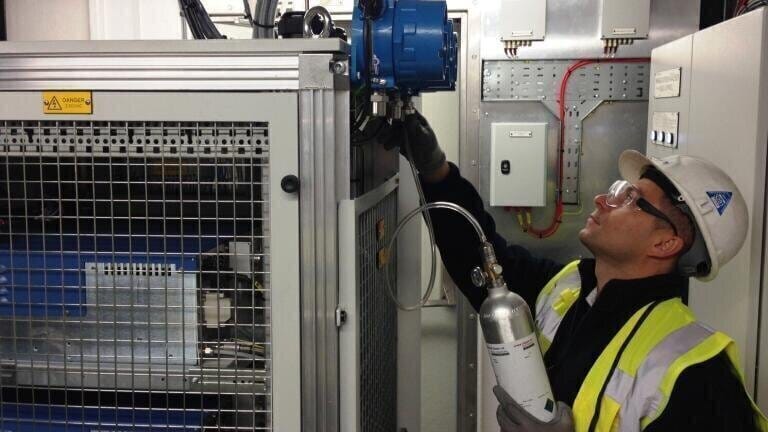
Gas sensors require regular functional bump testing. If this hasn’t happened for a while, the chances are that that the gas sensors may fail to respond.
- Gas interference
Selecting the right sensor and calibrating it for the target gas can reduce the risk of false alarms caused by cross-interference.
- Incorrect sensor placement
Sensor placement is crucial in providing the right protection for your plant. Well positioned sensors will increase plant safety. Process parameters such as release locations, weather conditions and enclosed spaces must be taken into consideration. Remember what works in one area of the plant might not necessarily work in another area.
- Over exposed sensors
Sensors are typically exposed to some of the harshest process conditions on a daily basis. Unfiltered elements can get in to the sensor over time and block the draw point. Once blocked, gas diffusion to the sensor can stop.
- Component failure (PCB)
A functional check is required to check wear and tear. Incorrect use can cause failure and will need replacing.
- Assumption
How do you know your sensor is responding if it’s constantly showing zero? With toxic and flammable gases, the detector will always read 0.0 unless it’s exposed to gas – how can you be sure a zero reading means that the sensor is working unless you test it?
- Communications failure
When your fixed gas detection is experiencing a communications failure, alarms will become slow to response.
- Alarm indicator (e.g. beacons) not functioning
If the background is noisy and your employee relies on a flashing beacon for indication of danger, how can you be sure it’s still responding if you don’t test it?
Free System Health Check
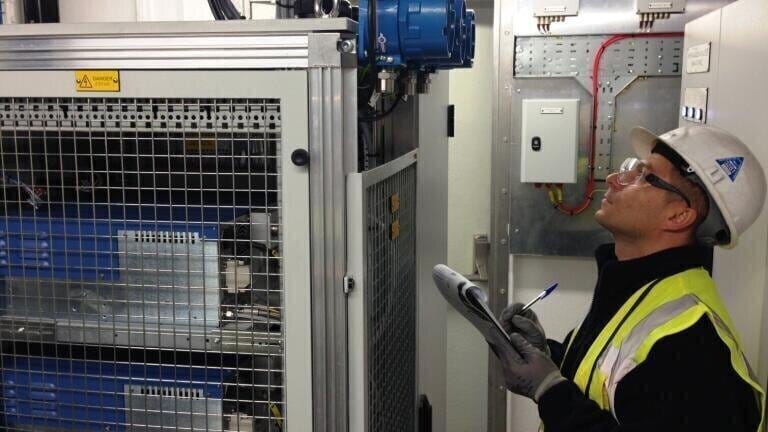
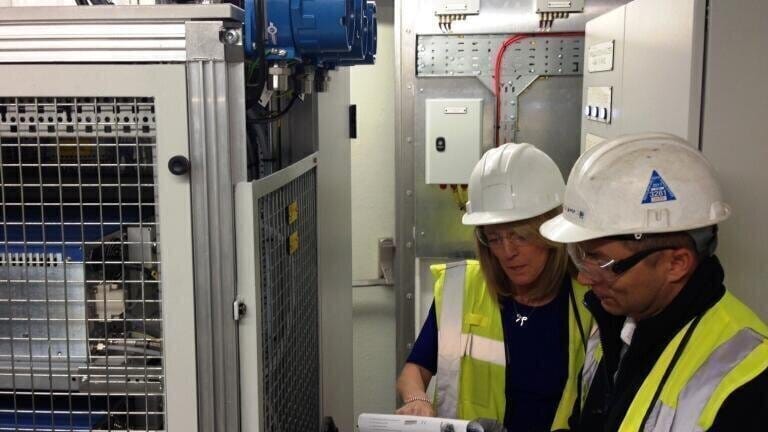
At a1-cbiss, we’re now offering a free system health check. Using our expert knowledge, we will come out to your site and carry out a full system healthcheck; Examine, Report and Advise. Sign up via our website and we’ll give you a call to arrange a date and time that’s suitable for you.

 Product directory