Gas detection
Published over 12 years ago. See the latest and most current information on Gas detection.
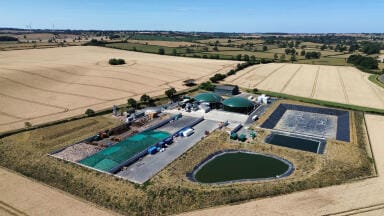
A large biogas facility located in the North West recently approached a1-cbiss (UK) to provide a fixed gas detection system for the monitoring of Hydrogen Sulphide (H2S). a1-cbiss were referred to the facility by an environmental consultant carrying out on site inspection at the time, because of their knowledge and experience in specifying and installing gas detection systems.
The BACKGROUND
The facility plant uses large pulpers to separate, sort and clean over 100,000 tonnes of residual municipal waste in an environmentally and economically sustainable manner each year. Once the organic material has been digested the gases are used by turbine engines on site to generate renewable heat and power.
When the organic waste is sorted in the pulpers, it contains rotting fruit, which is notorious for the by-production of toxic amounts of H2S once it reaches the anaerobic stage. And it’s this H2S which can be problematic on site! Not only is H2S corrosive to engine and machines, but it’s an irritant and toxic to humans, even in low ppm levels.
Currently the facility provides employee protection with personal gas monitors but an environmental consultant identified the need for the added security of a fixed gas detection system to provide instant notification of an alarm condition.
The CHALLENGE
During the pulping process, a constant background level of H2S is omnipresent so sensor technology and placement are crucial to reducing the occurrence of false and/or constant alarming. Employee protection is of paramount importance, so alarm levels and outputs were planned in line with current EH40 guidelines.
The SOLUTION
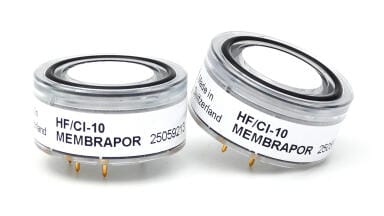
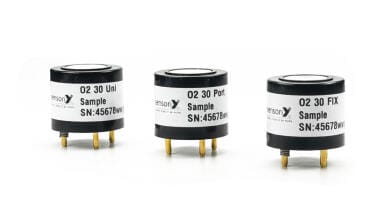
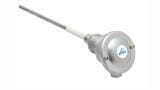
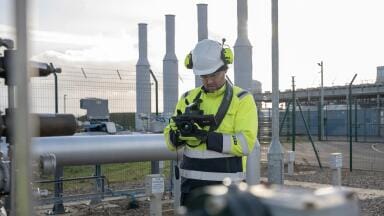
Once a site survey had been carried out by the technical sales engineer at a1-cbiss, he indentified specific hotspots where there were high levels of H2S present and concluded that a total eight Oldham OLCT 100 sensors were to be installed.
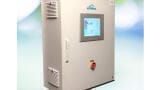
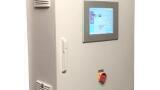
Installation was carried out by John Dakers of a1-cbiss who has over 30 years experience in gas detection and more recently, project management. In addition to gas sensors, an Oldham MX43 control panel was installed in the control room with a local beacon for alarm notifications in the plant room and the control room. A further eight beacons were also located adjacent to each sense within the plant area to provide maximum employee protection and awareness.
“The advantage of the Oldham gas detection portfolio is that its measurement range and accuracy can tune out the background levels of Hydrogen Sulphide to provide proven performance in harsh environments” John Dakers, Project Manager at a1-cbiss.
IET Guide 2026

 Product directory