
Environmental laboratory
Published over 12 years ago. See the latest and most current information on Environmental laboratory.
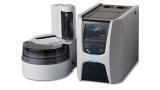
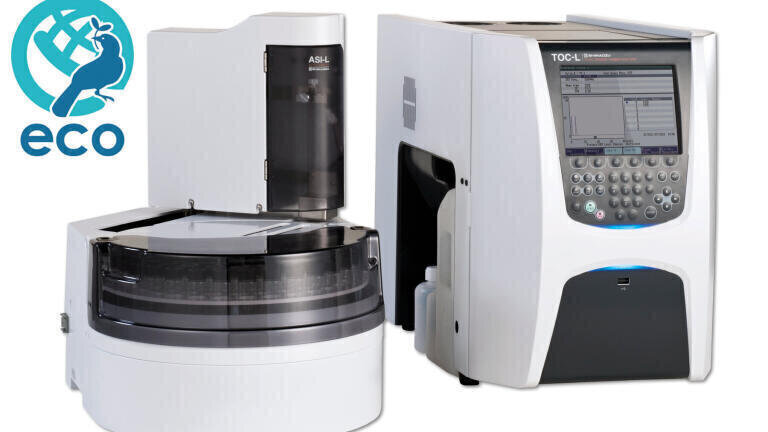
Shimadzu’s TOC-L Series combines the proven combustion catalytic oxidation at 680°C and NDIR detection method with user friendly design. The heart of the TOC-L instrument is the ISP (integrated sample pretreatment system), consisting of an 8-port valve and a syringe with sparging gas connection. The ISP module allows automatic dilution which is extremely useful for various applications. The measuring range for TOC determination is increased up to 30,000 mg/L. Samples contaminated with high salt can be diluted automatically. Where the TOC concentration does not allow a dilution, the new high salt kit can handle these samples. This increases the lifetime of the catalyst and combustion tube while reducing maintenance time and running costs of the TOC analyser. For simultaneous TOC and Total Nitrogen analysis, the TNM-L system can be added without increasing the size of the footprint. Highly sensitive chemiluminescence detection offers a measuring range between 5 µg/L and 10,000 mg/L.
TOC-Control L Software, the state-of-the-art software for PC control, combines new features with easy-to-use operation. The clear layout of the sample window editor offers users 'at-a-glance' access to all relevant information. Proven functions such as control cards, validation table and export functions are included.
For further details please visit the website.
IET 36.5 Sept/Oct 2026




 Product directory