Environmental laboratory
Environmental labs are being asked to do more with less - faster turnaround times, tighter budgets, and ever-increasing pressure to deliver reliable, defensible data. For many, the answer is not necessarily more staffing or throughput, but smarter automation.
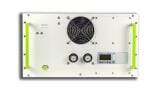
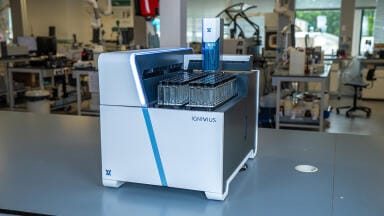
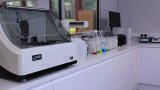
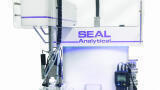
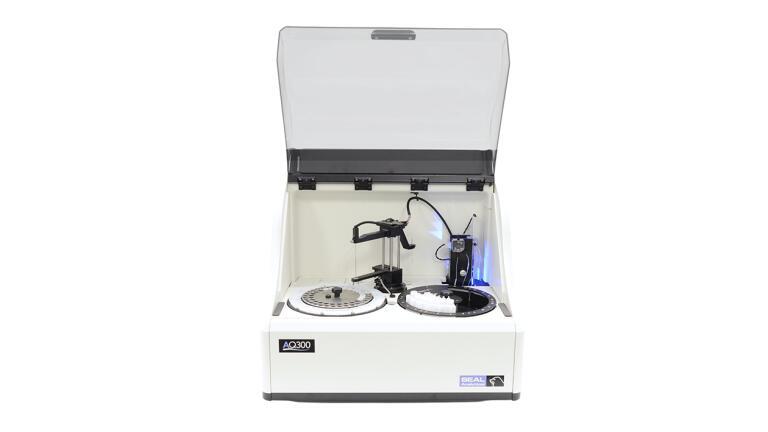
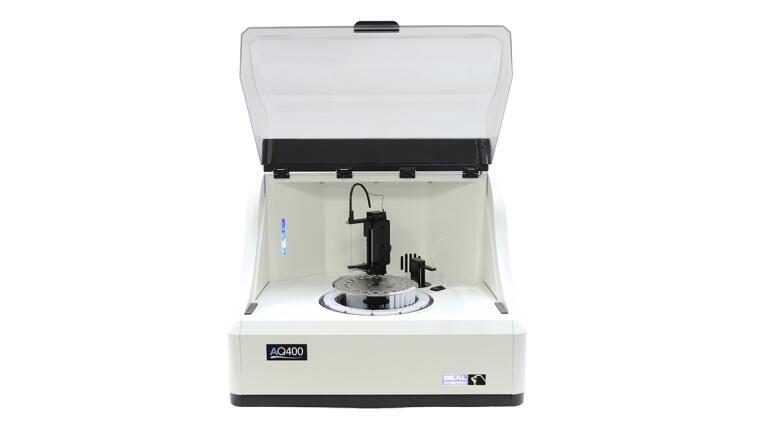
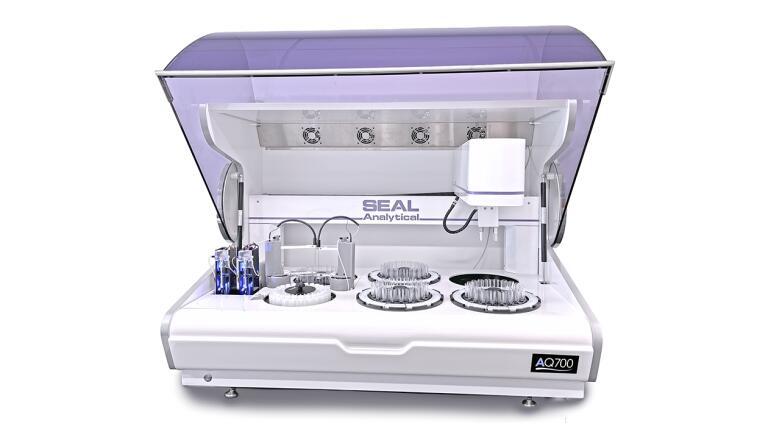
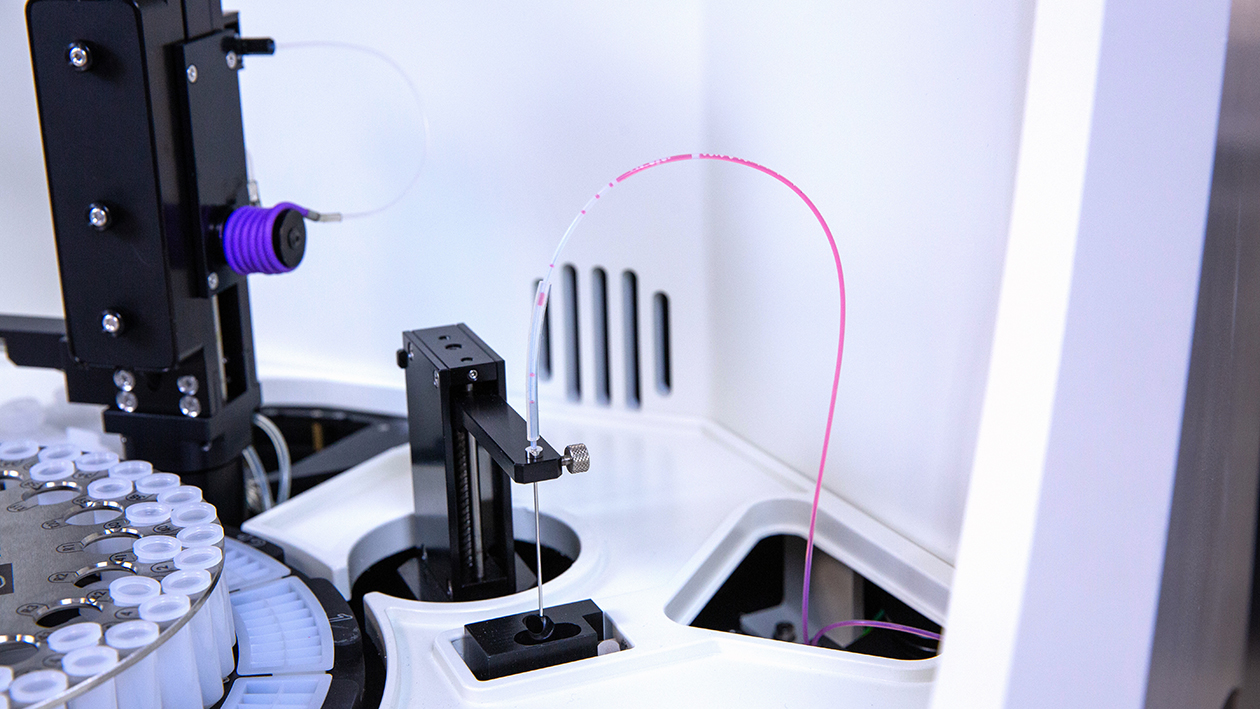
SEAL Analytical’s range of automated nutrient analysers is helping many labs to overcome this issue. The AQ300, AQ400 and AQ700 discrete analyser systems have been developed by chemists with day-to-day laboratory realities in mind. The aim is simple: take the repetitive strain out of wet chemistry while improving consistency and confidence in results across water, wastewater, soil, plant and wider environmental testing. AQ700
AQ700
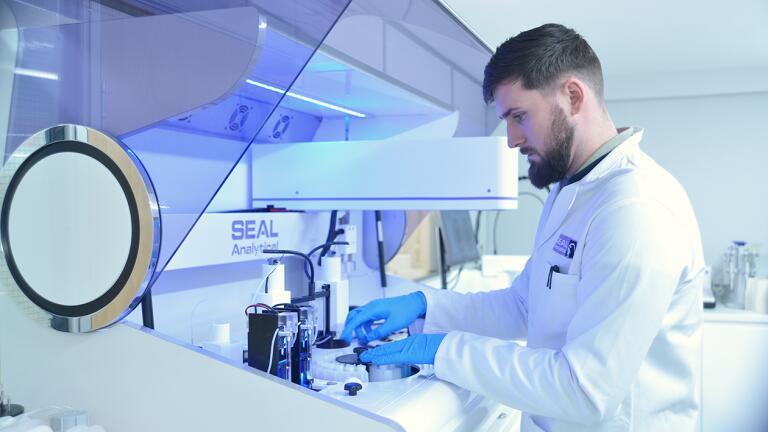
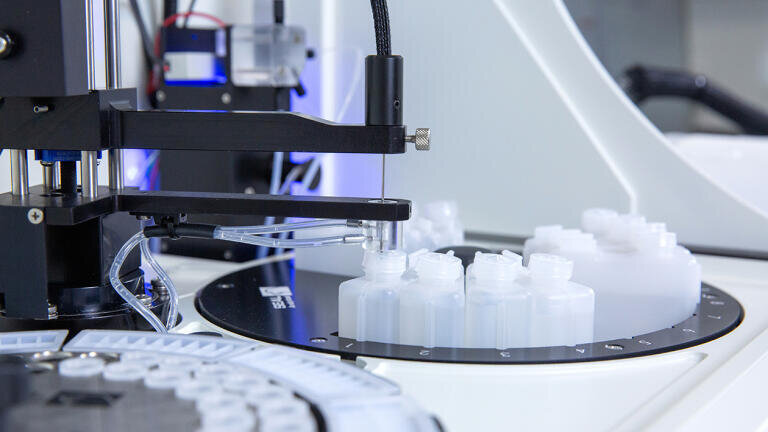
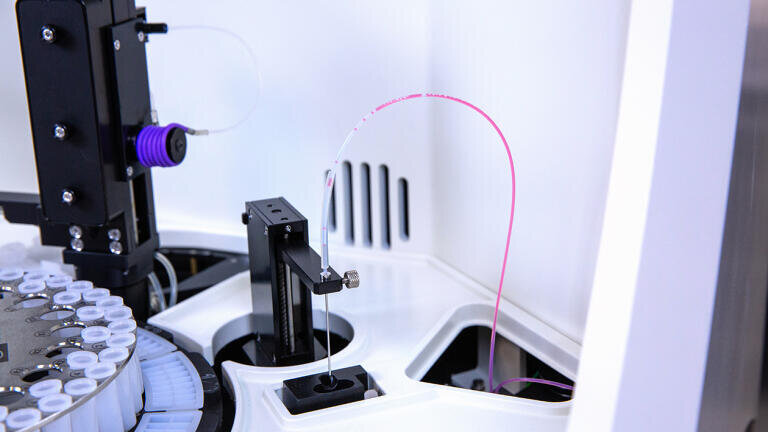
Unlike systems that only speed up manual processes, SEAL’s discrete analysers fully automate conventional wet chemistry methods. They replicate proven laboratory techniques but remove much of the hands-on work, bringing reactions to completion and using highly controlled optical detection to deliver stable, low-level measurements. In practice, this means better reproducibility, low detection limits, and results that align with recognised, international regulatory methods.
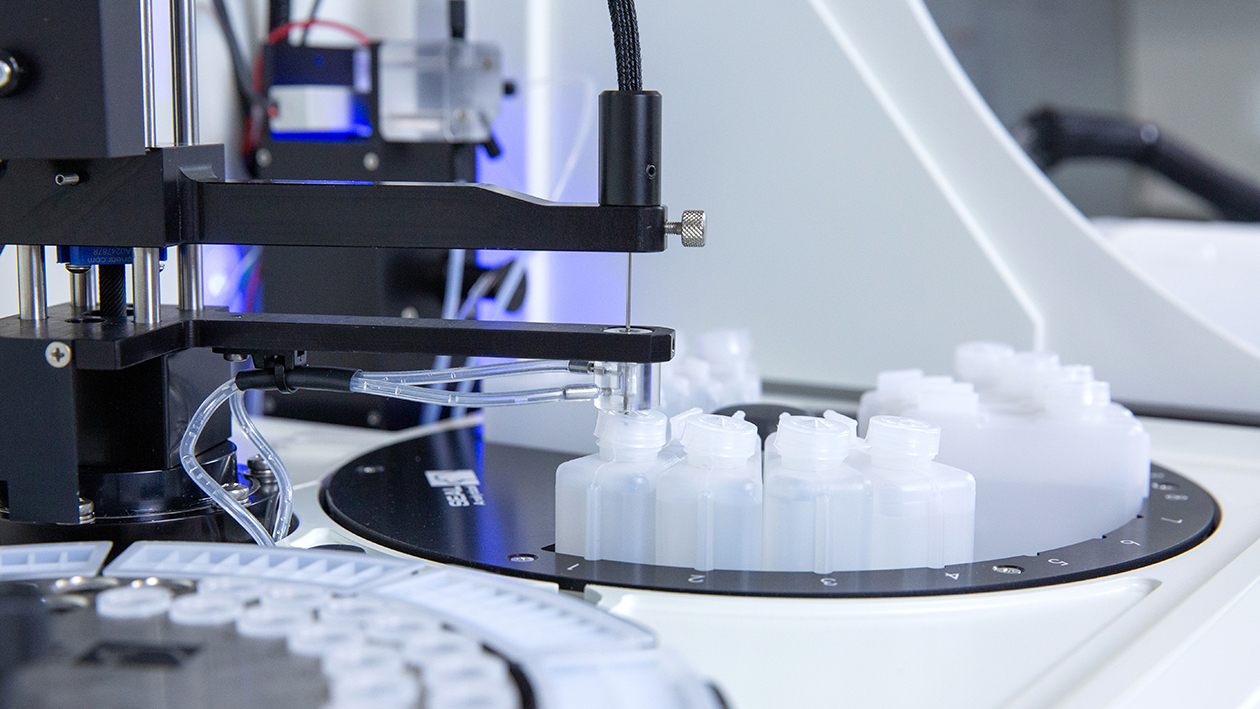
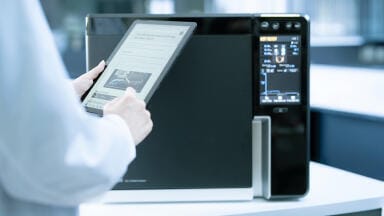
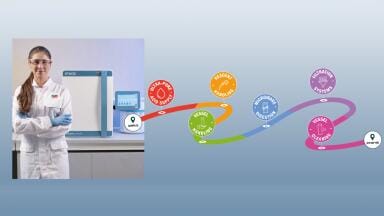
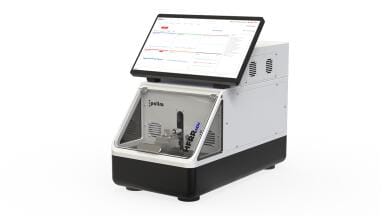
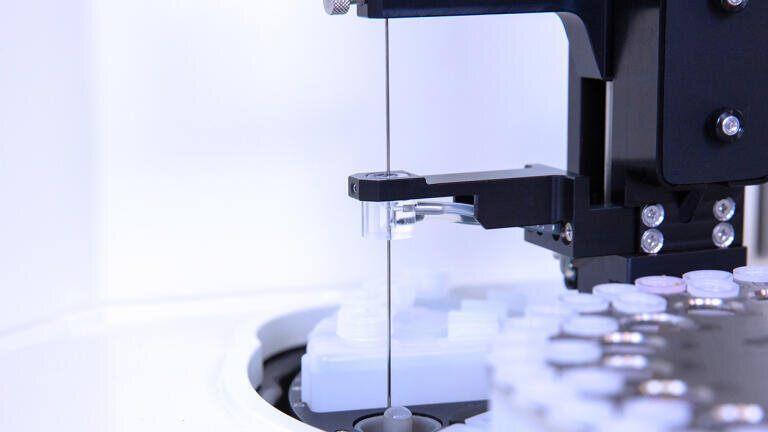
For analysts, the practical benefits are just as important. The systems are designed for true walk-away operation, with automated calibration and dilution, very low reagent consumption (often under 1 mL per test), and the ability to run multiple parameters from a single sample without intervention. The result is more time freed up for interpretation and quality control, rather than routine handling.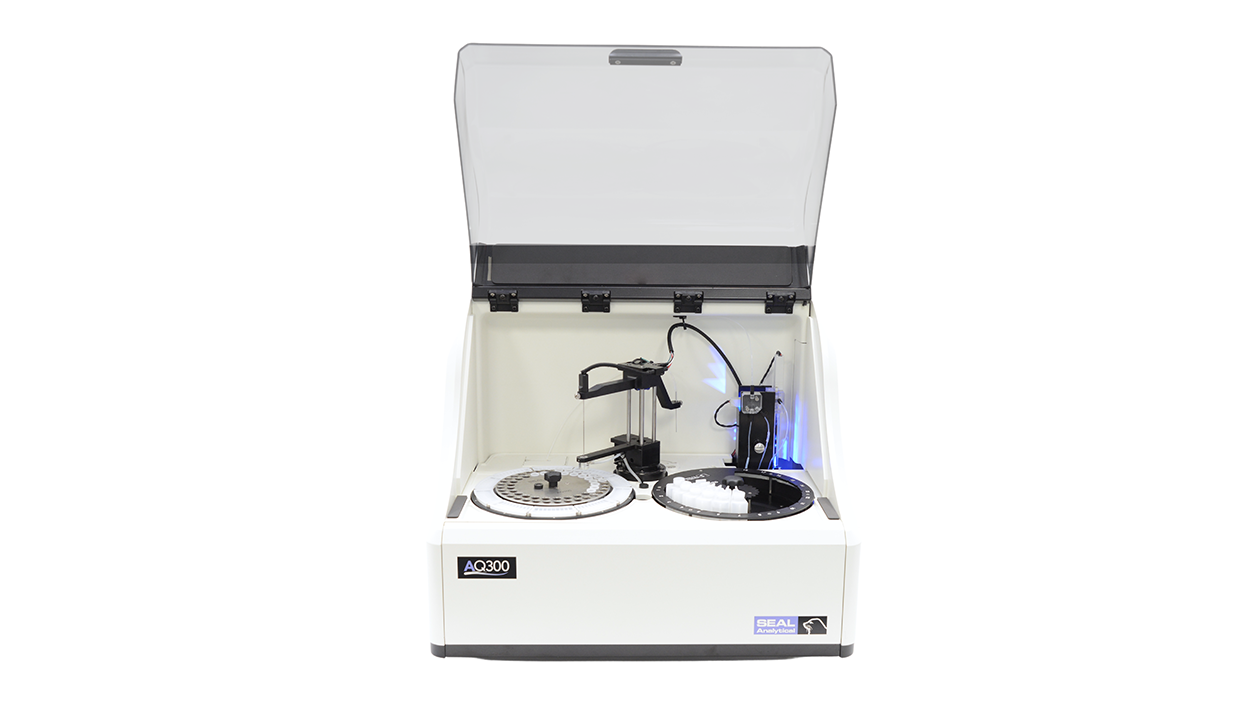 AQ300
AQ300
Each system is designed for a different workload. The AQ300 suits smaller laboratories looking for flexibility without unnecessary complexity. The AQ400 offers greater capacity for growing sample volumes, while the AQ700 is built for high-throughput environments, using advanced robotics and large sample handling capacity to support extended unattended operation.
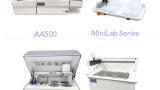
Alongside its discrete analyser range, SEAL also continues to support segmented flow analysis through systems such as the AA100, QuAAtro39 and AA500. These are often chosen where labs need extremely low detection limits and the highest possible reproducibility, particularly in more complex sample matrices where steady-state reaction control is crucial.
Behind the instruments is a global support network of chemists, engineers and application specialists. That experience feeds into method development, software support and ongoing technical assistance, something that many laboratories value as much as the instrumentation itself.
Ultimately, SEAL Analytical’s approach is less about automation for its own sake, and more about helping laboratories produce dependable data with fewer manual steps, less variability, and greater confidence in the results they report.
IET 36.5 Sept/Oct 2026



 Product directory