Environmental laboratory
Published over 15 years ago. See the latest and most current information on Environmental laboratory.
Predictions of climate, atmospheric dispersion calculations for pollutants, and forecasting of “smog” conditions all depend on the knowledge of the vertical profile of the air temperature. Especially during night, the convective boundary layer may settle for a temperature inversion, where the temperature is increasing with altitude. Such conditions generate a stable layer of air with no turbulent mixing, which is virtually trapping all pollutants close to the surface.
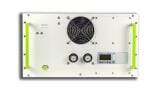
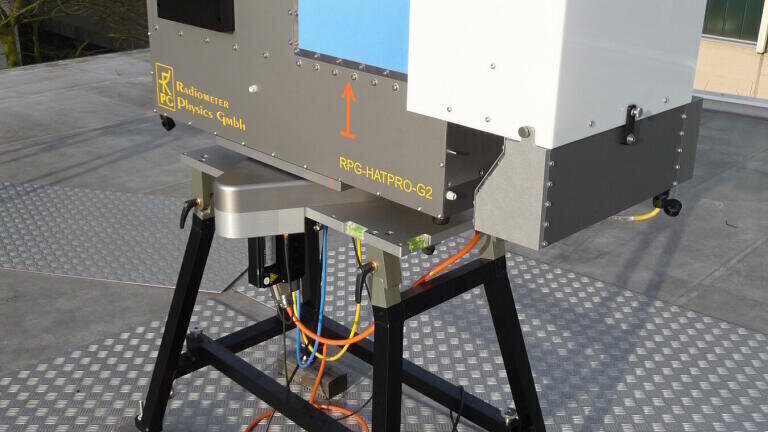
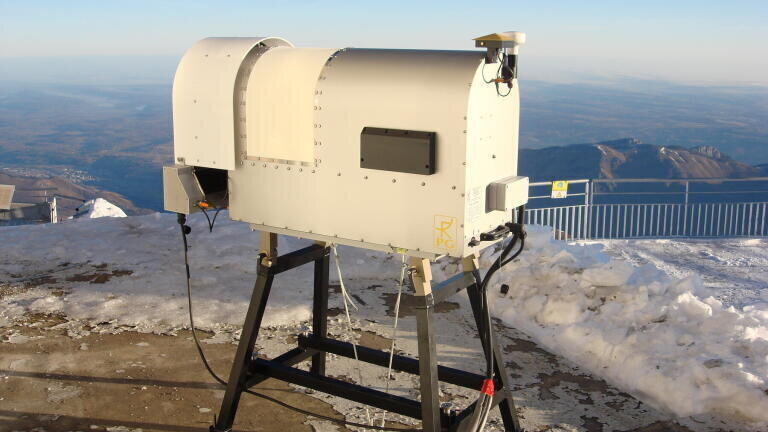
RPG Radiometer Physics (Germany) has successfully developed, tested and deployed microwave profiling radiometers which can measure the temperature profile by passive remote sensing techniques with a three-minute repetition rate. These are ideal for use on oil platforms, rigs and ships.
The technology used is basically molecular spectroscopy on oxygen and water vapour molecules in the 20 GHz to 60 GHz region. The precision at up to 1000m is better than a weather balloon’s and comparable above. The system has demonstrated its performance in all climate conditions, from Arctic to tropical, in ships and 5500m above sea level.
IET 36.5 Sept/Oct 2026




 Product directory