Environmental laboratory
Published over 12 years ago. See the latest and most current information on Environmental laboratory.
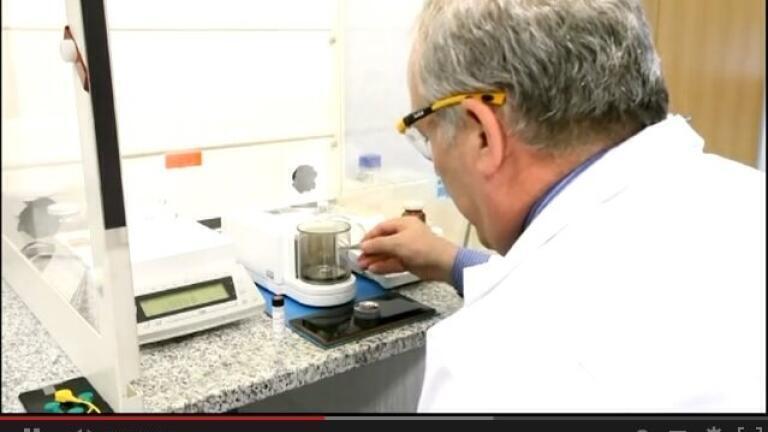
Exeter Analytical (UK) has produced a new video that provides an informative introduction to the technique of elemental microanalysis that provides precise determination of percentage Carbon (C), Hydrogen (H) and Nitrogen in a sample.
The use of CHN microanalysis as a routine technique to provide a precise and accurate elemental analysis of a sample is widely accepted across many market sectors worldwide. CHN microanalysis is a powerful and relatively straightforward method for determining whether or not a sample is pure by providing a precise and accurate analysis of a sample's percentage carbon, hydrogen and nitrogen content.
Drawing upon over 25 years specialising in the technique – the new Exeter Analytical video provides an informed and easy-to-understand introduction to CHN microanalysis.
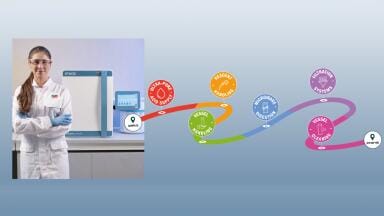
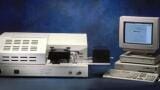
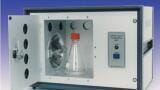
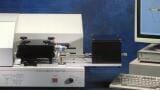
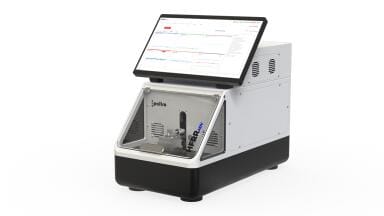
In addition the video also provides an introduction to the Exeter Analytical Model 440 CHN microanalysis system. The Model 440 benefits from a unique horizontal furnace design enabling it to routinely deliver precise and accurate results, without constant system optimisation, for a wide range of samples from pure organic compounds, through organometallic species to proteins and peptides.
To view the video please visit www.youtube.com/watch?v=lKsisOVahNs&feature=player_detailpage.
IET 36.5 Sept/Oct 2026




 Product directory