Environmental laboratory
Published over 13 years ago. See the latest and most current information on Environmental laboratory.
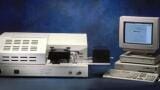
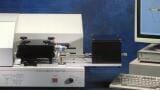
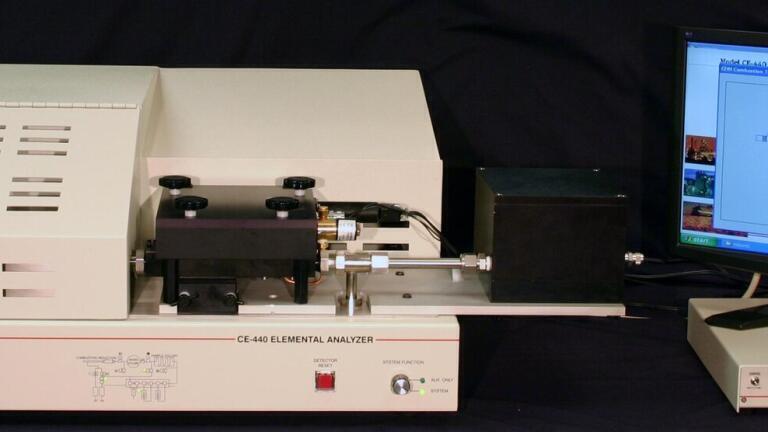
Exeter Analytical (UK), in conjunction with a number of leading waste reclamation organisations, have developed a methodology for their Model 440 CHN Elemental Analyser enabling determination of the suitability of a waste material for use as a fuel in waste to energy plants.
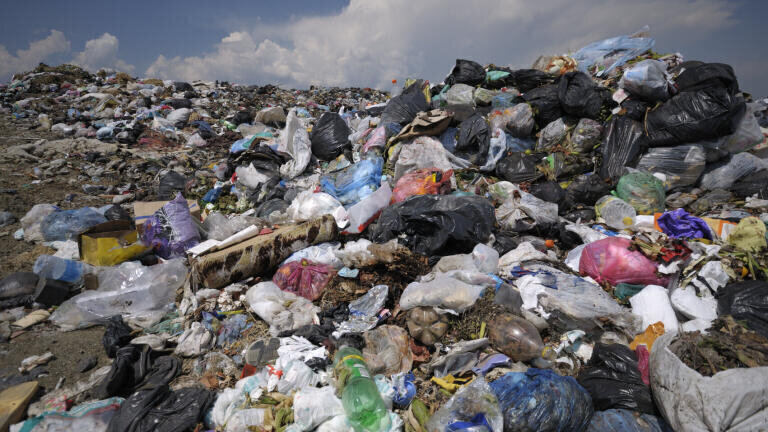
With the volume of waste materials generated by industrialised nations growing year on year the search for an effective environmentally-friendly alternative to disposal in landfill sites is being actively sought. One solution being actively investigated by waste reclamation organisations is using the organic matter in waste as a fuel in waste to energy plants. However waste materials are typically inhomogeneous containing a wide range of components in addition to organic materials. Consequently the need for a rapid method to determine the energy content of waste materials has been much sought after.
Using an Exeter Analytical Model 440 Elemental Analyser the percentage Carbon, Hydrogen and Nitrogen in a waste sample, which relates directly to its energy content, can be accurately determined in as little as 6 minutes.
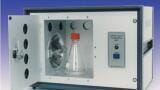
The Exeter Analytical Model 440 is a static combustion CHN Elemental Analyser, with a unique horizontal furnace design, which enables easy removal of sample residue between each waste material analysis. This is particularly important with waste materials that typically produce a considerable amount of uncombusted residue (metals, inorganic fillers etc) after each analysis. Using an Exeter Analytical Model 440 - one combustion tube will analyse in excess of 1000 waste samples without the need for removal and cleaning. By comparison other elemental analysers, employing vertical furnace designs, will require cleaning after as little as 20 samples. The gas flow characteristics of the Model 440 analyser are superior to other elemental analysers due to the effective elimination of troublesome residue build-up. This thereby provides longer-term calibration stability as well as enhanced accuracy and precision for measured waste sample data.
In addition, as the Model 440 provides complete control over combustion parameters it is able to reproducibly achieve 100% combustion with the widest range of waste samples.
IET 36.5 Sept/Oct 2026




 Product directory