
Environmental laboratory
Published over 12 years ago. See the latest and most current information on Environmental laboratory.
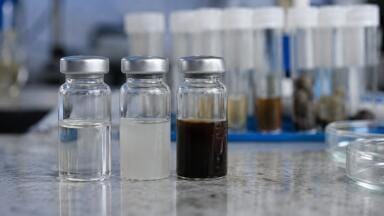
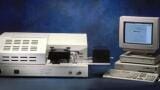
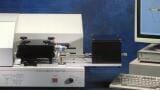
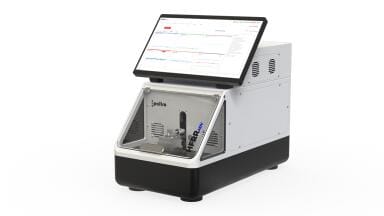
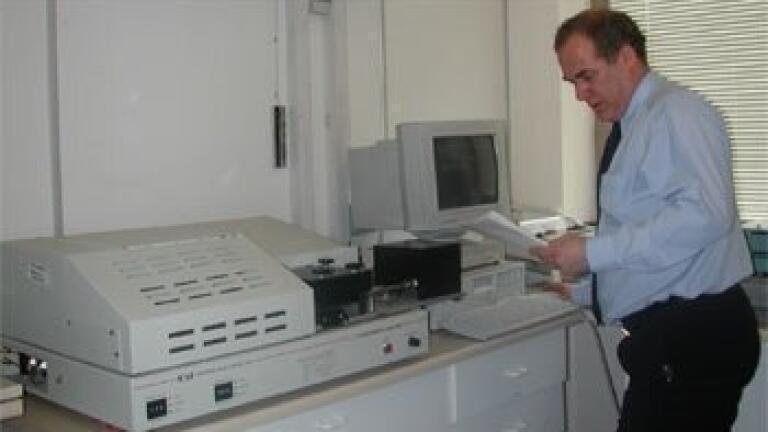
Exeter Analytical (UK), in conjunction with a number of leading waste reclamation organisations, has developed a methodology for their Model 440 CHN Elemental Analyser enabling determination of the suitability of a waste material for use as a fuel in waste to energy plants. With the volume of waste materials generated by industrialised nations growing year on year the search for an effective environmentally-friendly alternative to disposal in landfill sites is being actively sought.
One solution being actively investigated by waste reclamation organisations is using the organic matter in waste as a fuel in waste to energy plants. However waste materials are typically inhomogeneous containing a wide range of components in addition to organic materials. Consequently the need for a rapid method to determine the energy content of waste materials has been much sought after.
Using an Exeter Analytical Model 440 Elemental Analyser the percentage Carbon, Hydrogen and Nitrogen in a waste sample, which relates directly to its energy content, can be accurately determined in as little as six minutes.
IET 36.5 Sept/Oct 2026





 Product directory