Environmental laboratory
Published over 12 years ago. See the latest and most current information on Environmental laboratory.
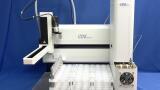
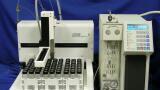
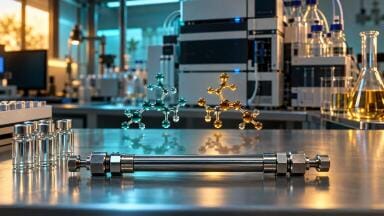
As an extension to their thermal desorption product line and our popular 7400 Purge & Trap Autosampler, the NEW CDS 7500 TD Autosampler, from CDS Analytical (USA), offers several unique innovations in thermal desorption analysis. The 7500 Autosampler has the ability to change between thermal desorption tubes for air analysis and VOA vials for soil and/or water analysis. By easily changing out the sampling tower, the user can rapidly change the autosampler from an air sampling system to a water/soil sample purge and trap system while using the same concentrator. In addition, the system has compatibility with different manufacturer’s sorbent tubes, so you can change autosamplers without purchasing new consumables or changing your method protocols.
The CDS-7500 chemically inert sample pathways are made of PEEK and Silconert, and use a reliable pick and place robotic arm to move the 72 samples into the desorption interface. Additional features include automated IS addition, sample saver and leak checking.
One additional unique feature is the ability to connect the autosampler to different front-end concentrators such as the CDS-7000 Purge and Trap Concentrator, Dynatherm 9300 and even PT systems from OI and Tekmar.
IET Guide 2026
 Product directory