Environmental laboratory
Published over 11 years ago. See the latest and most current information on Environmental laboratory.
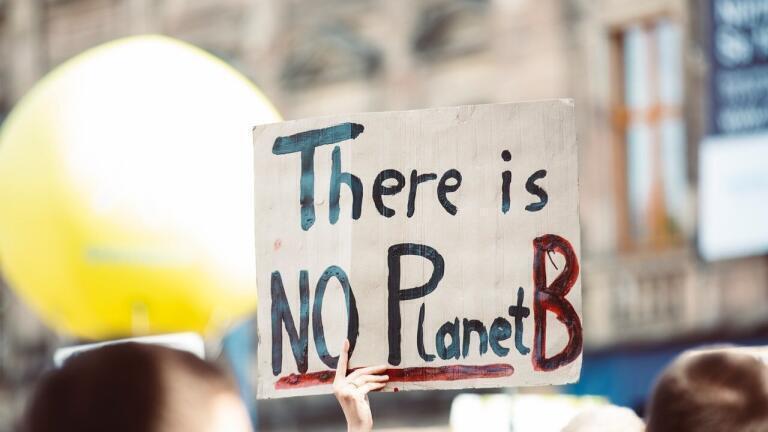
In our fast-paced 21st century world, few topics evoke such passion and debate as climate change. Most of us accept that global warming is happening right now. Some are proactive in their fight to save our planet, rallying governments and corporations to make significant changes. And inevitably, there are still a few sceptics who deny that climate change is happening at all. But what about the facts? How fast is the earth really warming?
A recent study has heated up the debate about global warming by providing accurate measurements of fluctuations in the troposphere - the bottom portion of our atmosphere, found at 11 - 13 km altitude. Historically the troposphere has been problematic to monitor, especially due to short-term fluctuations in weather patterns. Previous studies showed little change in temperature, and some even reported a cooling. But this early methodology has been subject to widespread criticism.
Thanks to this new study, it is now possible to measure true temperatures of the troposphere over an extended period of time using updated methods and cutting-edge technology. Which parts of the earth are warming? How long will it take to warm to these levels? The study provides some very interesting insight.
In the tropics, temperatures have steadily risen since the 1950s. This study shows that the predicted ‘hotspot’ in the tropics is indeed very real - with tropospheric temperatures rising around 80% faster than the Earth’s surface below. The trend identified in this study is very similar to the original research carried out in 2008, although it has produced much clearer findings.
As for differences with other major studies - this new research shows a slight increase in the rate of warming in the troposphere, which is typically cited as 64% faster than the earth’s surface at these hotspots. What is particularly interesting is that other research has actually shown a slow down in the warming of ocean surface temperature in the tropics over the last 15 years.
The earth’s climate is incredibly complex - encompassing land, oceans, ice caps and the atmosphere itself - which means there are infinite areas to study in our quest to understand and curb global warming. As technology continues to advance at a rate of knots, research into global warming will only continue to grow in both sophistication and accuracy. Then, it’s our responsibility to act.
To find out more about the research into the effects of climate change read the following article, How is Climate Change Predicted?
IET 36.5 Sept/Oct 2026




 Product directory