Amphibians may not be the best indicator of a region's
environmental health, according to new research by scientists from America.
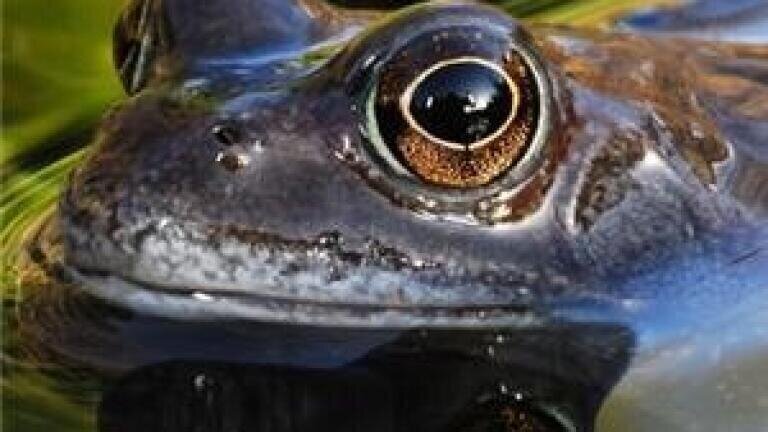
The team from the University of South Dakota carried out analysis of over 28,000 toxicity studies and discovered that creatures such as frogs and newts are relatively resilient to pollution.
Research focused on the effects various chemical agents have on a range of aquatic species, including insects, fish, amphibians and bivalves.
It revealed that while amphibians were most sensitive to phenol chemicals, it is brachiopods - a filter-feeding marine invertebrate - that demonstrate the greatest sensitivity to contaminants, particularly heavy metals and inorganic chemicals.
Speaking to Nature News, Jake Kerby, assistant professor in the biology department at the institution and leader of the research team, said: "Based on these findings the presence of amphibians at a site is not a reliable indicator that the site is free of impact."
He added that a decline in invertebrate species may be going unnoticed.
The publication also reported that while a number of US conservation experts felt the study was useful, they also stressed that amphibian populations can still be used as an important environmental indicator.
Posted by Lauren Steadman




 Product directory