Dust monitoring
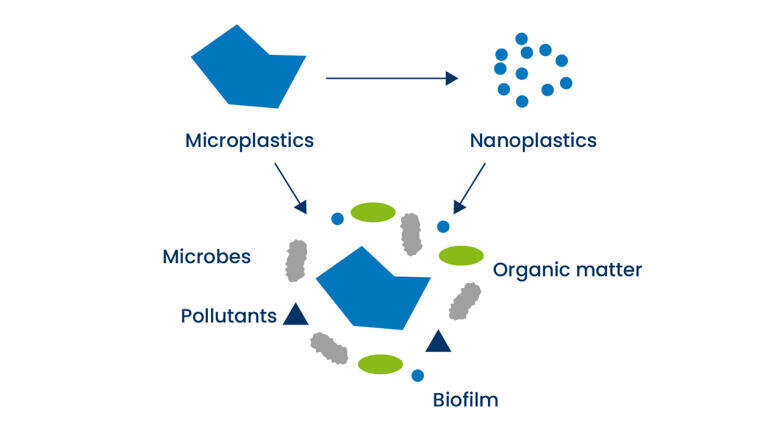
Droplet ENVEA Group, recently spoke with Jürgen Gratzl, a PhD researcher in the Physical Chemistry of the Atmosphere group, led by Professor Hinrich Grothe at TU Wien. With growing global concern and increasing evidence around airborne microplastics and their environmental consequences.
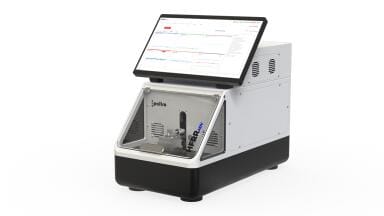
Using Droplet’s WIBS (Wideband Integrated Bioaerosol Sensor) analyser in the laboratory, Gratzl is working to better understand how airborne microplastics are formed, transported, and distributed in the atmosphere. The WIBS technology is supporting research that had previously lacked real-time measurement capability, helping to generate new scientific insight that could influence future environmental strategies.
One of the most significant findings Jürgen Gratzl discussed relates to everyday road traffic: “In high-traffic urban areas or near major roads, the principal contributor of microplastic particles is tyre wear. Tyres contain a high percentage of synthetic polymers. As tyres wear down with use – the materials don’t simply disappear. They end up as tyre dust which contains microplastics that become airborne.”
Jürgen Gratzl adds that a lack of data currently limits our understanding of the sources and scale of microplastic pollution. He also discusses the wider impact on the environment, current gaps in regulations, and how consumers can make conscious decisions to help reduce microplastic pollution.
As global leaders in air quality and emissions monitoring, and with their Droplet WIBS analyser, ENVEA are helping Jürgen Gratzl to research ways to overcome pressing environmental challenges.
Adrien Danner of Droplet ENVEA Group said: “At ENVEA, we are proud to support the scientific community with tools that help to generate insights to address environmental challenges.”
Explore ENVEA’s interview with TU Wien’s Jürgen Gratzl to learn about the latest advances in detecting airborne microplastics. Discover the challenges of real-time measurement and see how ENVEA FTIR and fluorescence technologies are influencing the future of environmental monitoring, The Future of Airborne Microplastic Monitoring: an Interview with Jürgen Gratzl.
IET 36.5 Sept/Oct 2026




 Product directory




















.jpg)