Drinking water
Published over 15 years ago. See the latest and most current information on Drinking water.
Rapid and highly sensitive analysis of drinking water is essential for protecting human health and well-being. The assurance of clean, safe drinking water has become more critical given the potential of accidental or intentional contamination, which have increased in recent years.
The World Health Organization (WHO) publishes guidelines for drinking water quality and these are used as the basis of much of the drinking water regulation across the globe. Highly efficient water treatment processes remove a majority of pesticides that have entered water sources, but drinking water regulations still require testing to ultratrace concentrations.
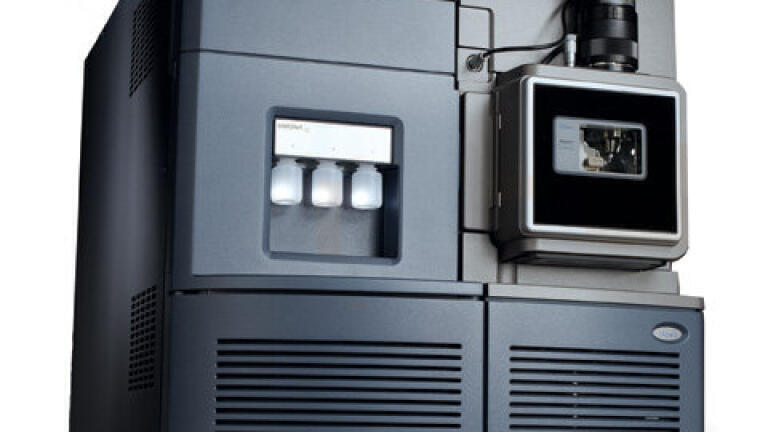
Cleaner aqueous samples, such as drinking water, are highly compatible for direct injection onto an LC/MS/MS system; however large multi-analyte determinations require extremely fast systems with ultra-sensitive detection. Using direct injection with Waters® ACQUITY UPLC® coupled with Xevo® TQ-S removes sample preparation and enables a simple, high-throughput analysis of pesticides in drinking water. This is possible with ultra-sensitive detection down to ppq or pg/L concentrations to enable real background concentrations in samples to be observed.
Ultra-sensitivity facilitates a high-quality analysis with high precision and comfortable quantitation around the regulatory concentrations. The RADAR mode of acquisition enables the collection of spectral information on background components in the sample matrix while simultaneously collecting MRM data. This can help identify areas of potential ion suppression, observe untargeted contaminants, and aid in the development of matrix reduction strategies.
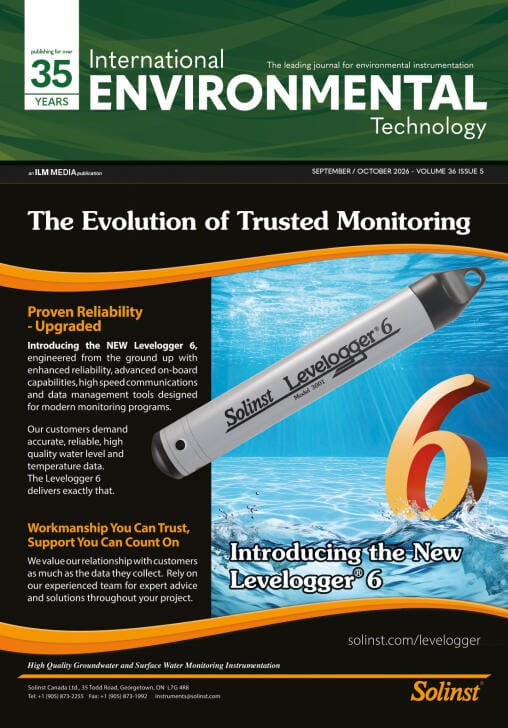
IET 36.5 Sept/Oct 2026


 Product directory

























.jpg)