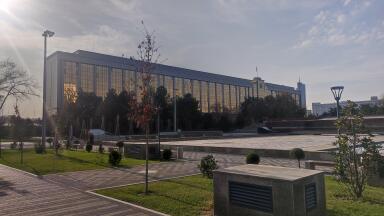
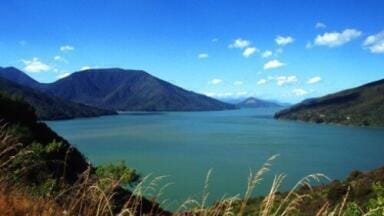
Shangri-La, nestled in the foothills of the Himalayas, means ‘land of sacredness and peace.’ in the Tibetan language. It is an exotic paradise located 3600m above sea level in southern China. A place you would image to be devoid of the pollution plaguing major cities around the world. The Chinese Meteorological Administration (CMA) are determined to keep it this way and have just installed a trace gas
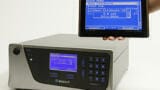
analyzer Air Quality Monitoring Station (AQMS) in this province with the help of Australian company Ecotech. This will be the seventh Ecotech manufactured trace AQMS to be installed in China.
Carbon Monoxide and Sulphur Dioxide are two of themajor pollutants found in any city environment. Standard ambient gas analysers are used to measure their concentrations in built up areas however in a remote area such as Shangri-La it is expected that concentrations will be very low, and so a more sensitive instrument is required...
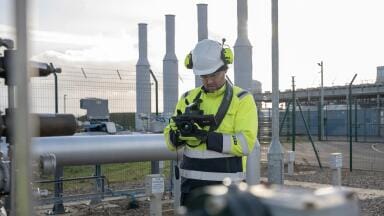
The Ecotech trace gas analyzers have been specifically designed to measure down to sub part per billion (ppb) and even part per trillion (ppt) levels. In addition, the instruments have been customized to be able to withstand harsh environments, as experienced in remote locations like Tibet. Hence by being able to measure tracer
‘background’ (i.e. extremely low concentration) pollutant levels gives investigators a baseline from which to work when assessing higher concentrations of pollutants in ambient air. Knowing the baseline, or minimally-polluted background level, allows important predictions to be made about how higher levels of gaseous pollutants may affect ambient air quality. And it is the ambient air that each of us breathe in all day, every day!
So why would the CMA want to measure pollutants in such a seemingly pollutant free environment? There are two main reasons for measuring pollutants in Shangri-La. The first one is to determine if the area has been more affected by pollution than predicted and then to compare the data obtained with other regions across China.
The second is to perform some long term monitoring studies and measure any changes in pollutant levels over the years. This data can be used by the CMA to analyze the impact of global warming and also improve their ability to offer more accurate meteorological forecasts and climatic predictions. This will not only benefit China but the
results will also be of use to climate scientists worldwide.
To complete the project, the CMA also had the added advantage of Ecotech engineers to help install the stations and train local staff. This customized project management approach used by Ecotech (Australia) helps the company better understand its customers' requirements to provide a better, safer and healthier environment.

 Product directory