Air quality monitoring
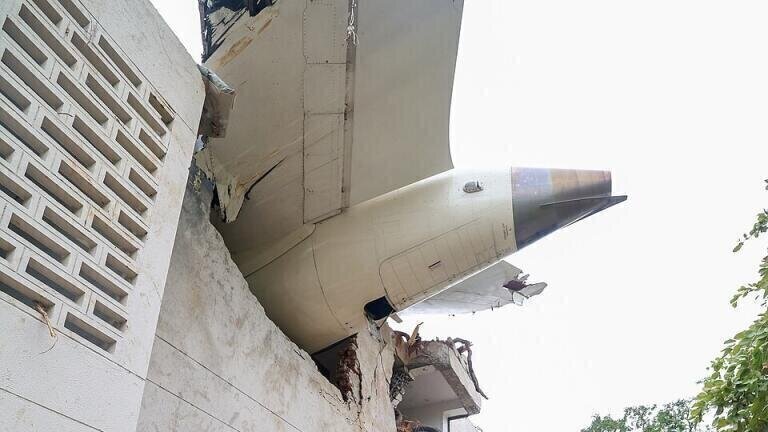
Public attention rightly focused on the tragic human toll, with some 260 people now confirmed as fatalities.
But for air quality and public health professionals, the incident simultaneously raised urgent and complex questions: What was in that smoke? Who was exposed? And how do we measure and manage pollutants that fall well outside routine air monitoring?
Whether it’s a plane crash, a large explosion, an industrial fire, or a chemical release, the visible damage is only the beginning.
These rare but high-impact events release complex cocktails of airborne pollutants—many of which evade standard detection methods.
Let's explore how city officials, environmental scientists, and public health professionals can prepare for and respond to the air quality threats posed by freak events and unusual pollution incidents.
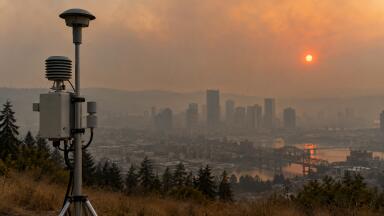
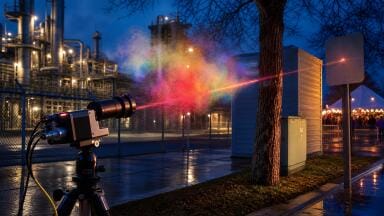
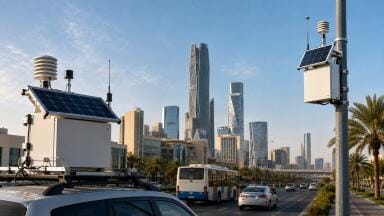
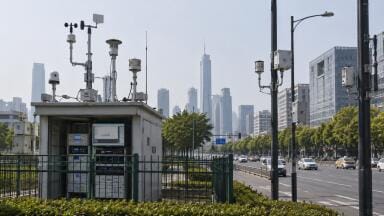
Urban air quality networks typically monitor VOCs, PM2.5, NOx, and SOx. But a major disaster introduces far more unusual pollutants, often at higher concentrations and in chemically complex mixtures. Rapid deployment of mobile monitoring units is crucial. These should be capable of tracking:
Instrumentation must be ready to operate in a rapidly evolving, high-concentration pollution zone.
Depending on the materials involved, unusual events may release a wide range of air toxics:
Additionally, metals such as titanium, chromium, and nickel from industrial equipment or aircraft components may become airborne as fine particles.
Routine ambient air stations do not capture these pollutants, requiring high-volume samplers and post-incident chemical analysis (e.g., via GC-MS).
If firefighting foam, particularly AFFF (aqueous film-forming foam), is used to extinguish fires, there is a risk of airborne and surface contamination with PFAS (per- and polyfluoroalkyl substances).
Other chemicals used in fire suppression or from the initial event (e.g., ammonia, chlorine gas) can present acute airborne risks. Targeted sampling in downwind areas and buildings near the site is essential.
Air quality teams should coordinate with public health agencies through frameworks such as the Emergency Responder Health Monitoring and Surveillance (ERHMS) system. This includes:
Lessons from previous disasters, including 9/11 and industrial incidents, show that initial underestimation of air toxics can lead to significant long-term health burdens.
Real-time data dashboards and public alerts help keep communities informed and safe.
Communication should focus not only on pollutant levels but also on practical guidance: closing windows, using indoor air filters, and minimizing outdoor exposure.
It is essential to disclose both what is and what is not being measured to avoid false reassurance.
Contaminants may persist as dust or vapor residues in nearby homes and businesses.
Indoor air monitoring and surface sampling should be conducted for buildings within the fallout zone.
Furthermore, long-term studies may be warranted to track possible chronic effects of chemical exposure, particularly for vulnerable populations.
Freak pollution events are rare, but their impact on urban air quality and public health can be severe and far-reaching. By preparing mobile monitoring strategies, expanding analytical capabilities, and linking air data with public health response systems, cities and regions can better protect their populations when the unimaginable occurs.
Environmental health professionals, emergency responders, and air quality experts must ensure they have not only the instruments, but also the protocols, partnerships, and communication plans in place.
The smoke may clear quickly. But the airborne legacy of an industrial explosion, a crash, or a chemical fire demands far more sustained and sophisticated attention.
IET 36.5 Sept/Oct 2026



 Product directory













.jpg)




.jpg)