Air quality monitoring
Published over 4 years ago. See the latest and most current information on Air quality monitoring.
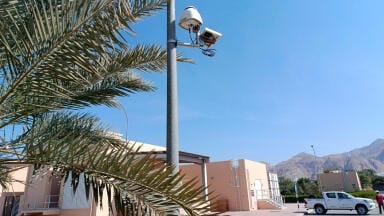
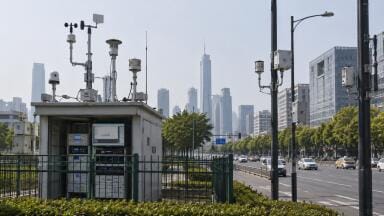
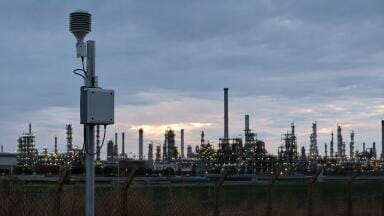
The Automatic Urban and Rural Network (AURN) is a large network of air quality monitoring stations across the UK. Consisting of 171 different sites, it is managed by French certification specialists Bureau Veritas, who oversee the collection, analysis and organisation of a number of different pollutants that are present in our atmosphere.
Specifically, these pollutants are carbon monoxide (CO), nitrogen dioxide (NO2), ozone (O3), particulate matter (PM) and sulphur dioxide (SO2). They have been chosen because they are among the most common and the most hazardous contaminants in ambient air, from both a human health and an environmental perspective. But why exactly was the AURN set up, and what is its purpose?
First and foremost, the AURN was established in order to comply with the EU’s Ambient Air Quality Directives. These binding pieces of legislation force all EU member states to monitor for a number of different contaminants in the air and report their concentrations back to Brussels in order to ascertain whether governments are meeting air quality standards.
Although the UK has left the EU since Brexit, it was introduced at a time when it was still a member and indeed, it remains beholden to the same legislation today. The AURN does not encompass all of the pollutants listed in the Directives, but it does cover five of the most important, making it the largest and most significant network in terms of meeting standards and achieving compliance in the UK.
A secondary purpose of the AURN is to further our scientific knowledge of how air quality levels fluctuate over time and in the vicinity of certain sources of pollution. This not only informs better policymaking when it comes to things like town planning, energy generation and other key decisions, but can help to predict how the situation may change in the future.
What’s more, it can provide a historic yardstick of air quality levels over time. This is essential in allowing the government to see whether or not its initiatives aimed at curbing air pollution are having the desired effect or not. Monitoring plays a vital role in maintaining air quality in cities, since it’s only through constant surveillance that improvements (or deteriorations) can be noted.
Finally, the fact that the AURN is an open-source piece of technology makes it an invaluable resource for the British public. Through the system’s dedicated network, citizens of the UK can access up-to-the-minute information about the air quality in their area, including specific concentrations of the individual contaminants mentioned above.
This allows people to decide whether or not it is safe to exercise outdoors, commute on foot or engage in any number of other al fresco activities in their area. They can tailor their route to avoid pollution hotspots or defer movement until a later time when the pollution has abated. As such, it’s a fantastic way of mitigating exposure to the most deadly pollutants in our air.
IET Guide 2026

 Product directory